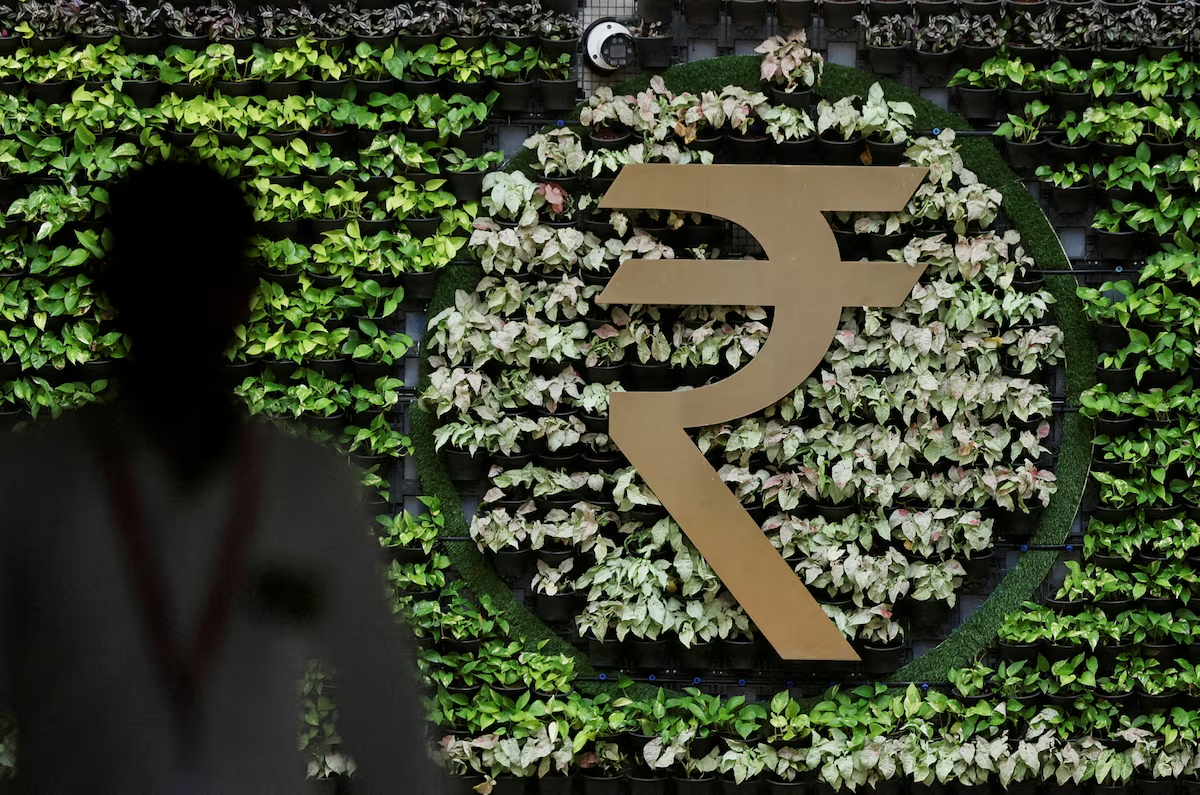
Source Reuters
The Indian rupee made a sharp comeback this week, beating its Asian peers to become the region’s top-performing currency. A mix of fresh regulatory rules and active support from the Reserve Bank of India (RBI) gave the domestic currency a noticeable boost against the US dollar.
What Drove the Rupee’s Rally?
Over recent days, the rupee had faced pressure as global demand for the dollar stayed high. To restore balance, the RBI rolled out targeted measures aimed at cooling sudden dollar outflows.
Key steps included:
Tighter trading limits: New restrictions on foreign exchange derivatives were put in place to prevent traders from making speculative bets against the rupee.
Easing oil demand pressure: The central bank introduced special arrangements for state-run oil companies, allowing them to purchase dollars without causing sudden spikes in the open market.
Direct market presence: Traders noted that state-run banks actively sold dollars on behalf of the RBI, providing immediate support whenever the rupee dipped.
Outperforming Regional Currencies
While most major Asian currencies traded within narrow bands or stayed flat, the rupee jumped to a one-month peak, touching intraday highs near 95.01 against the dollar. The currency gained over 1.5% across three straight sessions, signaling strong central bank intent to defend key levels.
Global factors also provided some breathing room. International crude oil prices softened slightly, which is always positive for India since the country imports the bulk of its energy needs.
What It Means for Everyday Consumers
When the rupee holds its ground:
Import costs steady: Crucial imports like crude oil, edible oils, and electronic parts become less expensive in local currency terms, helping keep household inflation in check.
Travel and study abroad: For families funding foreign education or planning overseas travel, a stabilized exchange rate brings predictability to tuition fees and living expenses.
Market watchers expect the RBI to remain watchful, ensuring currency fluctuations stay orderly while global financial conditions evolve.