Source The Hindu
India’s digital payment system may see a change in the timeline for the rollout of the Unified Payments Interface (UPI) Merchant Discount Rate (NPCI Delays UPI MDR Rollout Until After Diwali, Giving Businesses More Time), as the National Payments Corporation of India (NPCI) has reportedly pushed the implementation to immediately after Diwali. The delay could give banks, payment companies and merchants additional time to prepare for the proposed changes.
The development comes at a time when UPI has become one of the most widely used payment methods in India, allowing millions of people to transfer money and make purchases within seconds.
What Is UPI MDR?
Merchant Discount Rate, or MDR, is a fee that merchants may have to pay for accepting digital payments. The charge is usually linked to the payment amount and is shared among the banks and payment service providers involved in processing a transaction.
The proposed UPI MDR rollout has attracted attention because even a small change in payment charges could affect merchants, payment companies and customers.
However, the exact impact will depend on the final rules, the types of transactions covered and who will be responsible for paying the charges.
Why Has the Rollout Been Delayed?
The decision to push the rollout to immediately after Diwali is expected to give the payment industry more time to prepare for the changes.
The festive season is one of the busiest periods for India’s retail and online shopping businesses. During this time, customers make more purchases, while merchants depend heavily on digital payment services to handle transactions quickly.
Introducing changes to payment charges during such a busy period could create confusion for businesses and payment service providers. A delay could help them understand the proposed system and make the necessary arrangements before implementation.
The final reasons for the delay and the detailed rollout plan will depend on official communication from the authorities concerned.
What Does This Mean for Small Businesses?
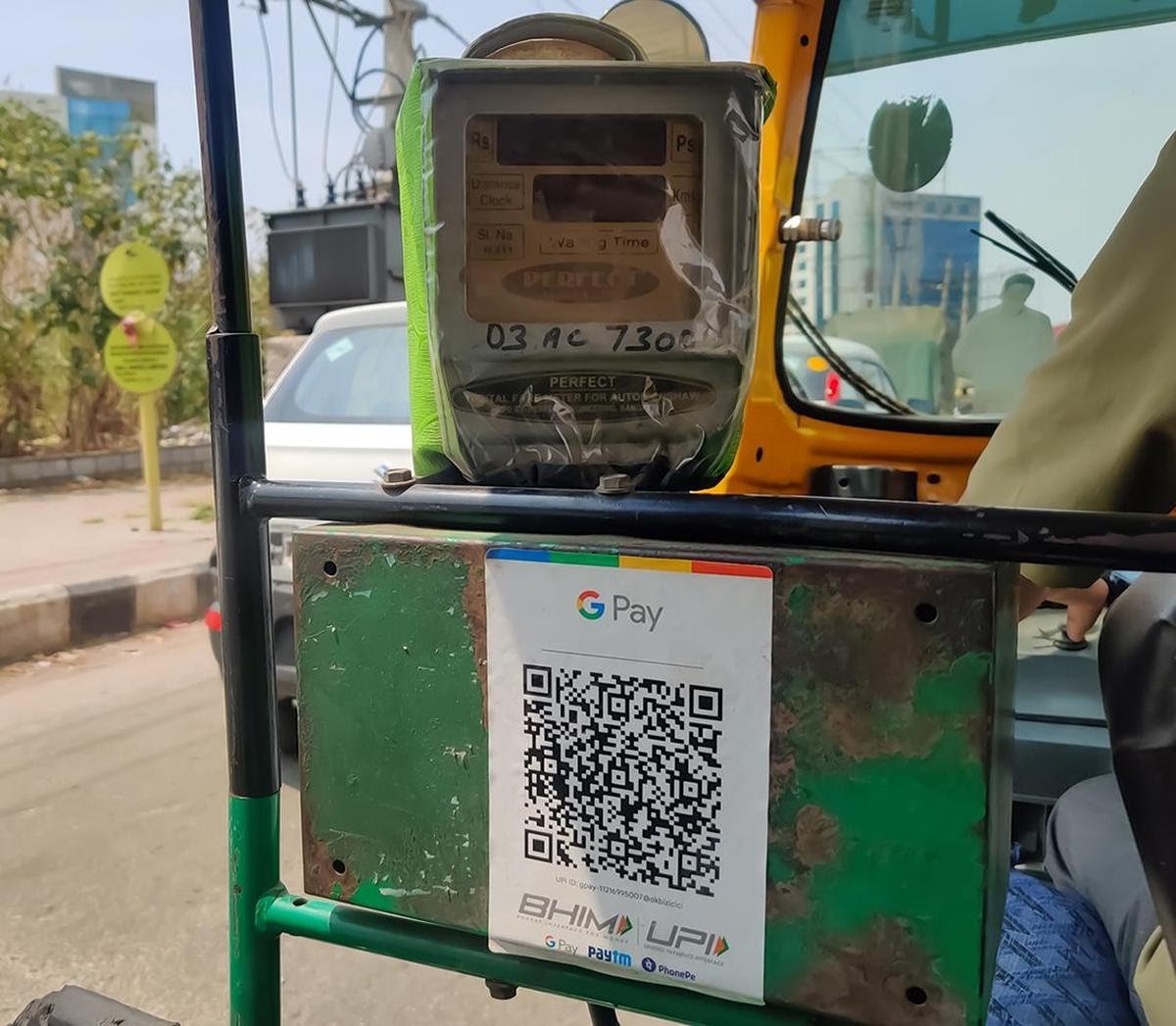
Small shop owners, street vendors and local businesses have benefited greatly from UPI because it allows them to accept payments without depending entirely on cash.
For many small merchants, keeping transaction costs low is important. Any new fee structure could affect their expenses, particularly if they handle a large number of digital payments every day.
The impact will depend on whether the proposed MDR applies to their transactions and whether any exemptions or special rules are announced.
Businesses will be watching closely for further details before making changes to their payment systems.
Will Customers Have to Pay More?
One of the biggest questions is whether the proposed changes will affect customers directly.
MDR is generally a charge associated with merchants and payment processing rather than a fee automatically paid by customers. However, the actual effect will depend on the final policy and how businesses respond to any new costs.
Until official details are available, customers should not assume that they will have to pay extra for ordinary UPI transactions.
UPI’s Growing Role in India
UPI has changed the way Indians make payments, from buying groceries and paying restaurant bills to shopping online and transferring money to family members.
Its speed, convenience and wide acceptance have helped digital payments reach people across cities, towns and villages.
The proposed MDR rollout will therefore be closely watched by merchants, banks, fintech companies and consumers.
With the implementation reportedly moved to immediately after Diwali, the coming weeks could bring greater clarity on the proposed changes, the transactions covered and their possible impact on India’s rapidly growing digital payment network.