Source Live law
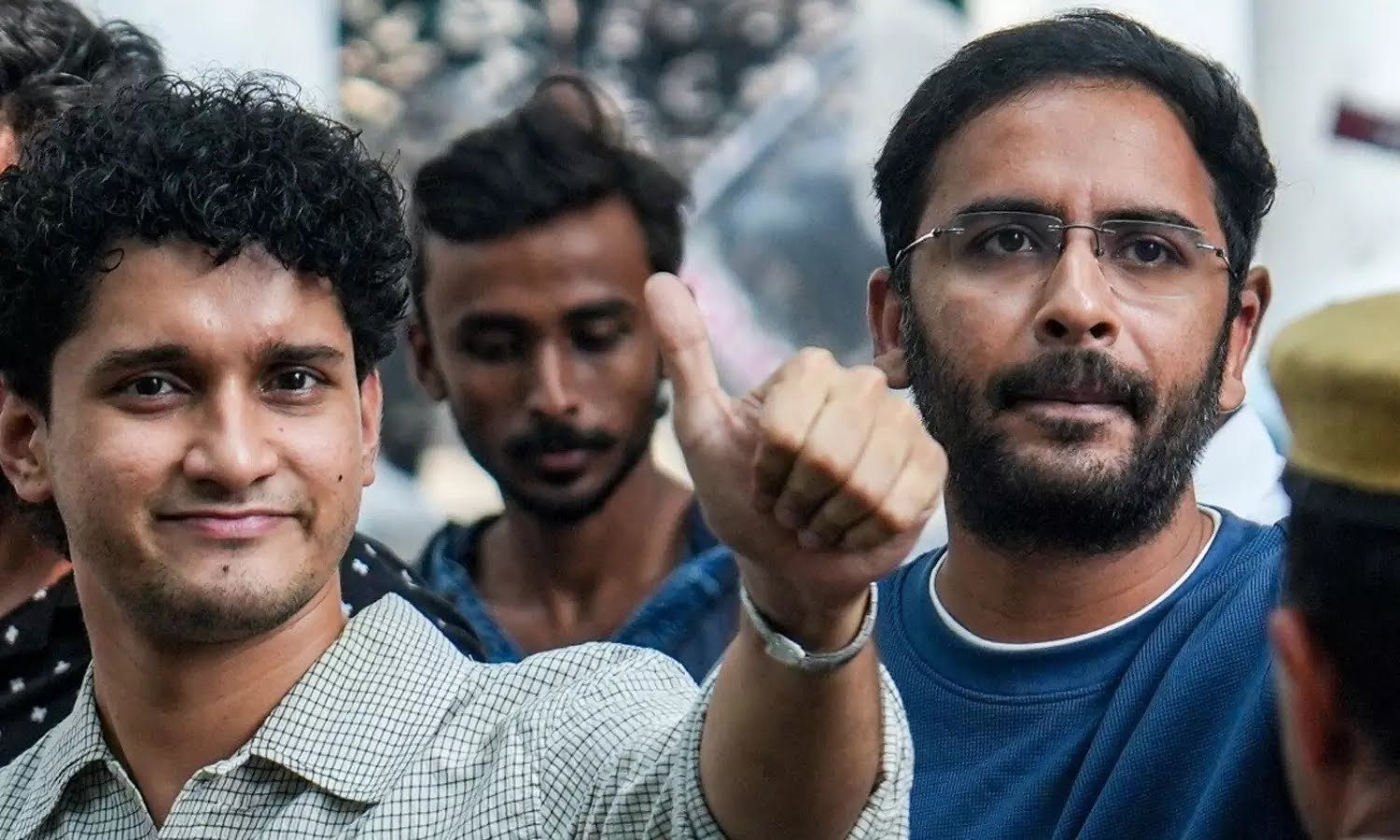
NEW DELHI — Cockroach Janta Party (CJP) leaders Saurav Das and Ashutosh Ranka were ordered released from Tihar Jail on Wednesday after spending seven days in custody. Their release follows a formal written promise to a local magistrate that they will not call for or stage demonstrations at New Delhi’s iconic Jantar Mantar as long as the authorities keep it de-listed as a protest venue.
A Week in Custody
The standoff began on October 13, when Delhi Police detained the two youth leaders and fellow activists for attempting to enter Jantar Mantar. Just a day earlier, the Union Home Ministry had stripped Jantar Mantar of its official status as a designated protest zone.
Despite police barricades and security restrictions, the activists visited the landmark carrying the national flag to voice their opposition. Authorities detained them on allegations of breaking security cordons and violating previously signed peace bonds, subsequently sending them to seven days of judicial custody.
The Bail Order and Conditions
During Wednesday’s hearing, a Special Executive Magistrate ordered their release after both leaders submitted signed undertakings. In their statements, Das and Ranka assured the court that they would respect the ongoing restrictions and refrain from calling any gatherings at the site until its status changes.
Alongside the written guarantee, the court directed each leader to furnish personal bail bonds worth ₹50,000 to secure their release. Police had earlier sought an extension of their detention, arguing that the activists had shown a pattern of defying public orders. However, the magistrate concluded that the written assurances and financial bonds were sufficient to maintain public order.
High Court Scrutiny and Ongoing Appeals
The magistrate’s ruling arrived shortly after the leaders withdrew a separate petition from the Delhi High Court that had challenged their detention. During that morning hearing, the High Court questioned whether demonstrators should force their way past police barricades while legal appeals against the government’s ban were actively under review.
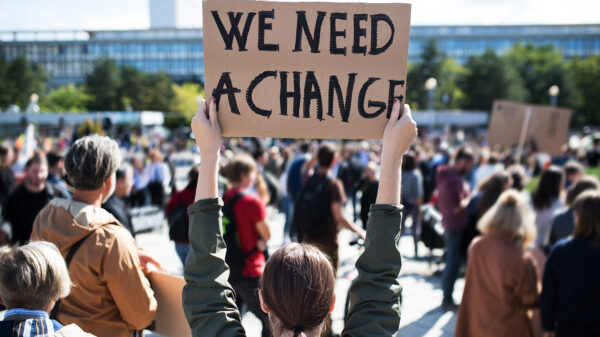
The wider decision to shut down Jantar Mantar to public demonstrations remains a deeply contested issue across the capital. Multiple civil society groups and opposition parties have argued that removing the historic venue restricts citizens’ democratic right to assemble peacefully. A formal petition challenging the de-notification is currently pending before the Supreme Court.
What Happens Next?
With their release secured, both leaders have walked out of jail to rejoin their supporters, while agreeing to appear before the magistrate later this week to complete formal surety verifications. For now, the agreement pauses direct demonstrations at Jantar Mantar as the battle over Delhi’s public protest spaces shifts from street barricades to the country’s highest courts.