Source The Hindu
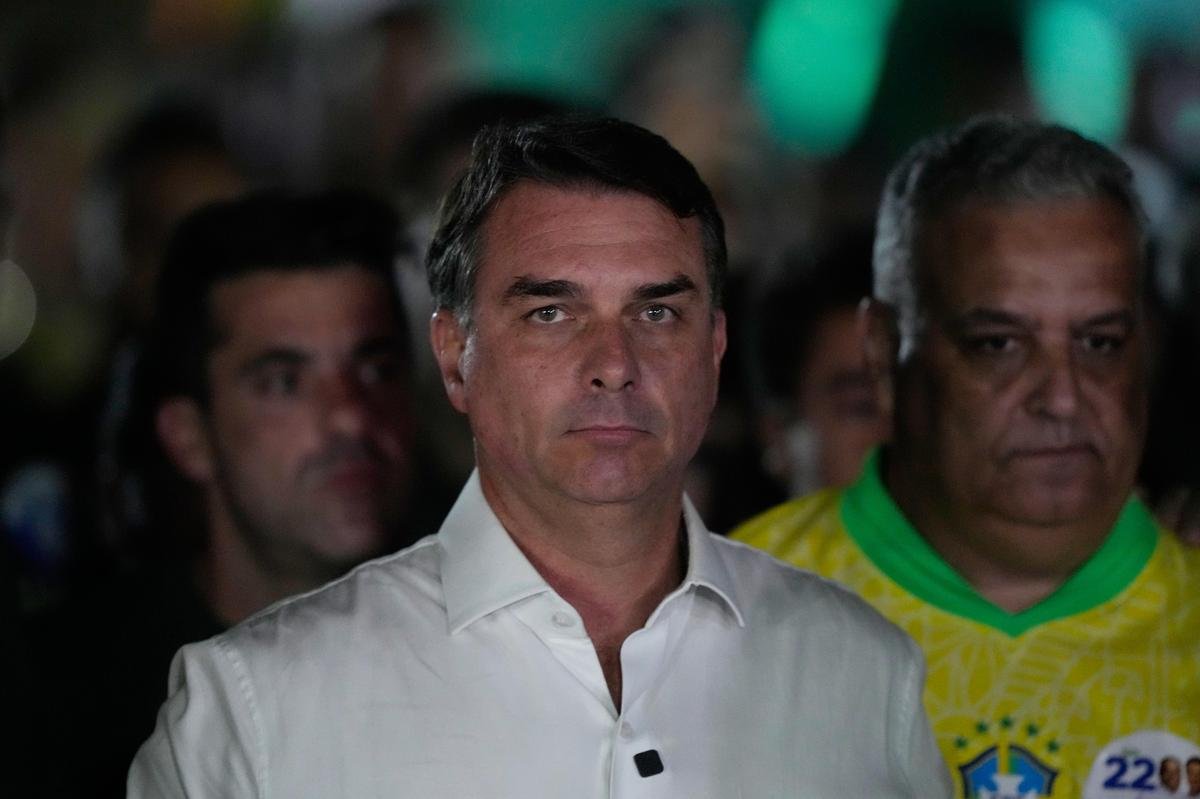
BRASÍLIA — Brazil is facing fresh political tension after its presidential election ended in a bitter dispute. President Luiz Inácio Lula da Silva won re-election on Sunday, securing a historic fourth term in office. However, his challenger, Flávio Bolsonaro, is refusing to step aside. Calling the process unfair, Bolsonaro is demanding that the entire election result be canceled.
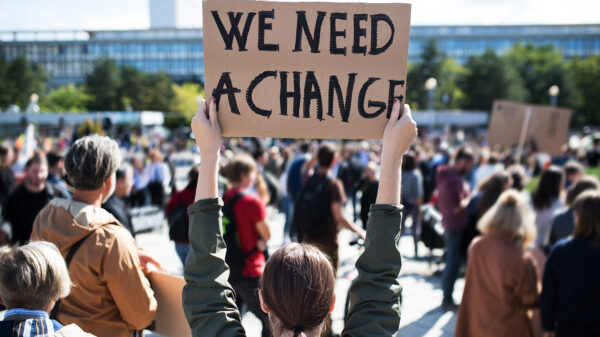
According to official numbers from Brazil’s election court, Lula won 51.8% of the vote. He beat Bolsonaro—the eldest son of former President Jair Bolsonaro—by nearly 4.4 million ballots. While Lula’s supporters took to the streets to celebrate, the losing camp quickly announced plans to take the fight to the courts.
Why Bolsonaro Wants the Vote Canceled
The anger from Bolsonaro’s team comes down to a last-minute decision made on election day. Supreme Court Justice Cristiano Zanin ordered voting stations to stay open for two extra hours beyond the normal closing time.
Lula’s campaign had asked for more time because public bus problems in major cities like São Paulo and Salvador made it hard for people to reach polling stations. Both of those cities are areas where Lula is very popular. Meanwhile, Bolsonaro’s team had also complained about heavy rain in southern Brazil, a region that strongly supports him.
Speaking from the capital city of Brasília, the 45-year-old challenger claimed the judge broke the law by changing the rules in the middle of the game.
“It is impossible to accept the result of this vote under these conditions,” Bolsonaro told reporters. “We will take legal action and ask for the election to be annulled.”
His supporters also pointed out a major conflict of interest: Justice Zanin used to work as Lula’s personal lawyer before joining the Supreme Court, making the extra voting time look suspicious to conservative voters.
Confusion at the Polling Stations
The sudden order to add two extra hours caused total confusion across the country. Because the message came so late, many polling workers did not know what to do.
In Rio de Janeiro, workers at one station had already turned off the electronic voting machines right on time and could not turn them back on. In Brasília, volunteers who were counting votes at a local school argued over whether they had to stay late. Most of them simply packed up and went home 20 minutes after the normal closing time.
Because of the mix-up, counting the nation’s votes was delayed by two hours, and officials are still not sure how many stations actually stayed open late.
What Happens Next for Brazil?
Despite the loud protests from the opposition, world leaders have already started calling Lula to congratulate him on his victory. For millions of working-class Brazilians, his win is a welcome relief.
Still, the road ahead looks bumpy. With a deeply divided country and Bolsonaro’s legal team preparing to challenge the outcome, Brazil’s political drama is far from over.