Source Africa news
The Ebola outbreak in the Democratic Republic of Congo (DR Congo) has become a major health concern, with the number of reported cases crossing 11,000. The situation is becoming increasingly difficult as ongoing conflict and insecurity continue to affect efforts to control the deadly disease.
Health workers are facing serious challenges in reaching affected communities, providing medical care and preventing further infections. The crisis has raised concerns about the ability of local authorities and international health organisations to contain the outbreak.
Conflict Makes Ebola Response More Difficult
The ongoing violence in parts of DR Congo has created major problems for health teams working to control the outbreak. Insecurity has made it difficult to travel to affected areas, deliver medical supplies and reach people who may have been exposed to the virus.
Some communities remain difficult to access because of fighting and displacement. As a result, health workers are struggling to carry out important activities such as testing, contact tracing and providing treatment.
Conflict has also forced many families to leave their homes, making it harder to identify and monitor people who may have come into contact with infected individuals.
Health Workers Face Growing Challenges
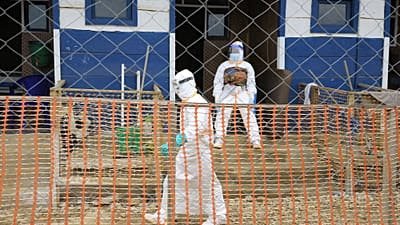
Medical teams are working under difficult conditions to provide care to patients and prevent the virus from spreading further. However, a lack of access to some areas and limited healthcare facilities are creating additional pressure on the response system.
Ebola is a serious viral disease that can cause severe illness and death. It spreads through direct contact with the blood or body fluids of an infected person or someone who has died from the disease.
Early medical care, proper protection for health workers and quick identification of infected people are important to control the spread.
Local Communities at Risk
The outbreak has created fear among people living in affected regions. Families are concerned about the safety of their loved ones, while many communities are also dealing with the effects of violence and displacement.
Public awareness is another important part of controlling the disease. People need clear information about symptoms, how the virus spreads and where to seek medical help.
However, reaching remote communities has become increasingly difficult because of security concerns.
International Support Remains Important
Health experts believe that strong coordination between the Congolese government, international organisations and local communities is essential to control the outbreak.
Medical supplies, trained health workers, testing facilities and safe access to affected areas are among the major needs.
The situation also highlights how armed conflict can make public health emergencies much worse. Even when medical teams have the necessary knowledge and resources, insecurity can prevent them from reaching the people who need help.
A Growing Health Emergency
With reported cases crossing 11,000, the Ebola outbreak remains a serious challenge for DR Congo. The combination of disease, violence and limited access to healthcare has made the response more complicated.
Health authorities face the difficult task of controlling infections while protecting medical teams and supporting vulnerable communities.
The coming weeks will be important in determining whether efforts to contain the outbreak can reach more people and prevent the crisis from becoming even more severe.