Source The Hindu
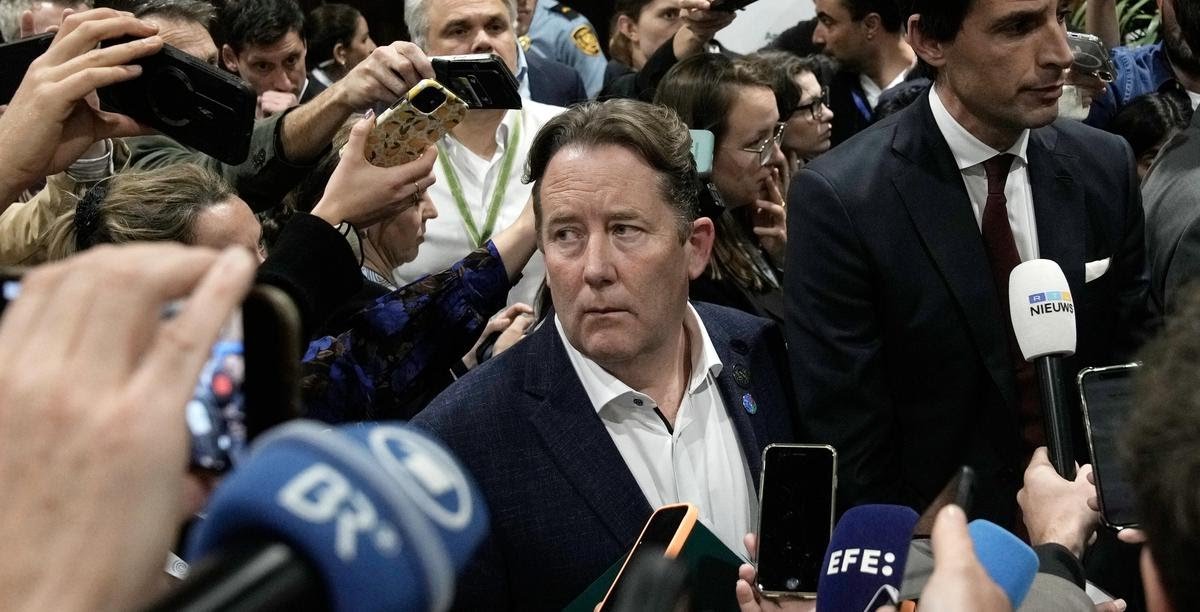
The European Union (EU) has indicated that it will not support the proposed climate deal, creating fresh uncertainty over the outcome of the upcoming COP31 climate summit. The decision could make it harder for countries to reach a common agreement on important climate issues.
The development has raised concerns among climate experts and environmental groups, who believe that global cooperation is necessary to tackle rising temperatures and extreme weather events.
Why Is the EU Opposing the Climate Deal?
The EU has raised concerns about the proposed agreement and is not ready to endorse it in its current form. European leaders want climate commitments to be clear, strong and practical.
The disagreement could create challenges during negotiations, as the EU is one of the major voices in international climate discussions.
Without support from the European bloc, reaching an agreement that satisfies all participating countries may become more difficult.
What Is COP31 and Why Does It Matter?
COP31 is the 31st United Nations Climate Change Conference. It brings together governments, climate experts, environmental organisations and other representatives from around the world.
The main aim of the conference is to discuss ways to reduce greenhouse gas emissions, limit global warming and support countries facing the effects of climate change.
Countries also discuss financial support for developing nations, clean energy projects and plans to protect vulnerable communities.
Global Climate Cooperation Faces a Challenge
The EU’s position could create fresh pressure during climate negotiations. Countries have different priorities when it comes to reducing pollution, protecting industries and supporting economic growth.
Developing nations often demand more financial help from wealthier countries, arguing that they need resources to deal with climate change while continuing to develop their economies.
At the same time, developed countries face pressure to make stronger promises to reduce carbon emissions.
These differences have made international climate talks increasingly difficult.
What Could Happen at COP31?
The EU’s refusal to endorse the deal could put the final outcome of COP31 at risk. However, negotiations may continue as countries look for common ground.
Diplomatic discussions and changes to the proposed agreement could help reduce disagreements before a final decision is made.
A successful climate deal would require countries to make compromises and agree on practical steps to address global warming.
Why the Outcome Matters to the World
Climate change is already affecting millions of people through rising temperatures, floods, droughts, wildfires and other extreme weather events.
A strong international agreement could help countries speed up their shift towards clean energy and improve support for communities facing climate-related disasters.
However, if major economies fail to reach an agreement, global efforts to fight climate change could face another setback.
The coming discussions at COP31 will therefore be important in deciding whether countries can overcome their differences and move forward with a shared climate plan.