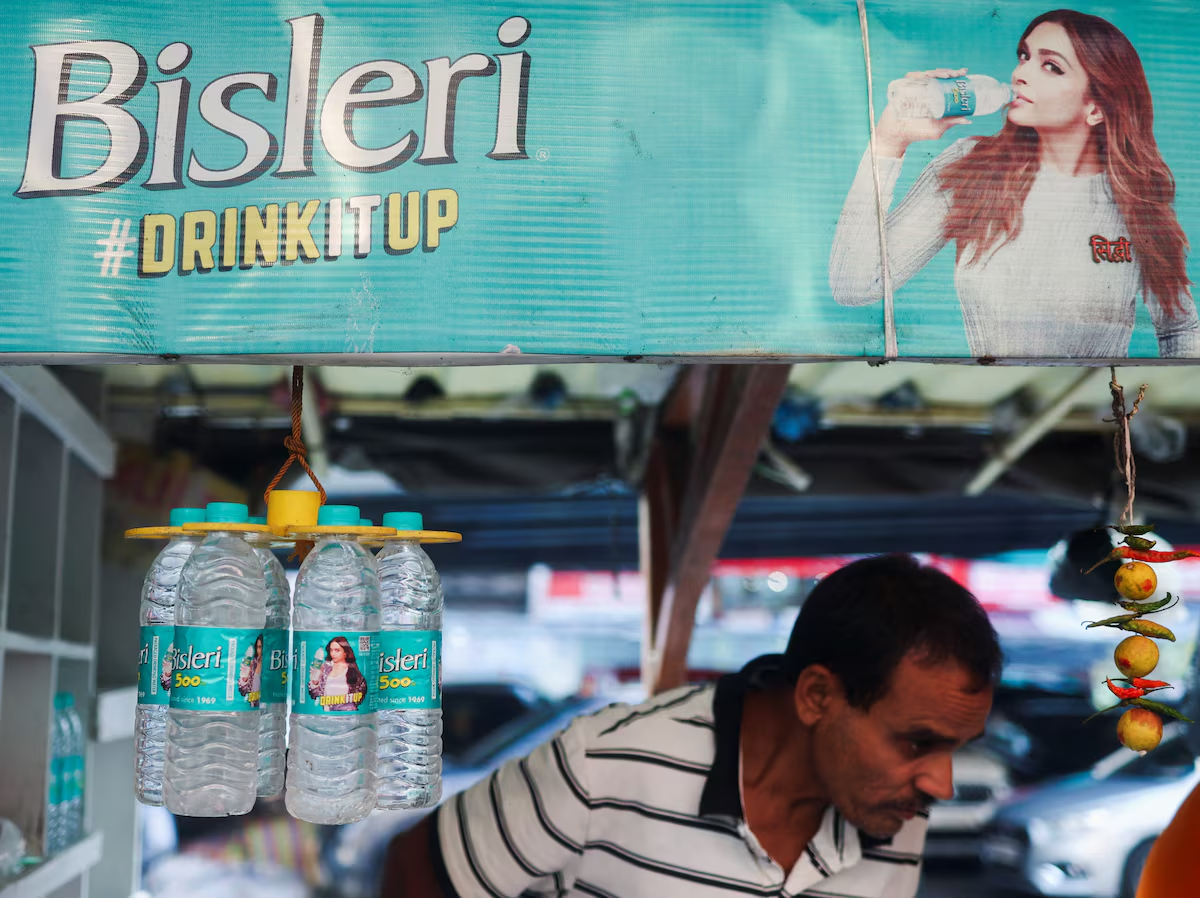
Source Reuters
India’s bottled-water industry is facing fresh questions over product safety after a new Bisleri water sample was reportedly found to contain bacteria. The latest finding has added to growing concerns about the quality of packaged drinking water and increased attention on food safety checks across the country.
The development comes at a time when food safety authorities are taking a closer look at bottled-water companies to ensure that drinking water sold to consumers meets the required safety standards.
New Sample Raises Fresh Safety Concerns
The latest sample linked to Bisleri has reportedly tested positive for bacterial contamination. The finding has raised concerns among consumers, as packaged drinking water is widely used in homes, offices, schools, restaurants and public places.
Bottled water is often seen as a safer option, especially in areas where people are unsure about the quality of tap water. However, reports of contamination can affect public confidence in the packaged drinking-water market.
Authorities are expected to examine the findings and take further steps based on the applicable food safety rules.
Food Safety Checks Under Greater Focus
The latest development comes amid a wider crackdown on bottled-water quality in India. Food safety authorities have been increasing checks on packaged drinking-water products to ensure that companies follow the required standards.
These checks are important because contaminated drinking water can carry harmful microorganisms. Depending on the type of bacteria and the level of contamination, consuming unsafe water may lead to stomach infections, diarrhoea and other health problems.
Officials regularly collect samples from markets and manufacturing units to check whether products meet safety requirements.
Bisleri’s Product Quality Under Attention
Bisleri is one of India’s best-known packaged drinking-water brands and has a large presence across the country. Any report of contamination involving its products is likely to attract public attention.
However, a laboratory finding involving a particular sample does not automatically mean that every bottle sold under the brand is unsafe. The source of contamination, the batch involved and the final findings of the authorities are important factors.
The company may also get an opportunity to respond to the findings through the applicable regulatory process.
What Should Consumers Keep in Mind?
The latest report is a reminder that consumers should pay attention to the quality and condition of packaged drinking water.
People should check the seal, manufacturing date, expiry or best-before details and other information printed on the bottle before buying it. They should also avoid purchasing bottles that appear damaged, poorly stored or tampered with.
Consumers should follow official food safety advisories and avoid spreading unverified claims about any brand.
Bottled-Water Industry Faces Tougher Questions
The reported bacterial finding has once again brought the safety of packaged drinking water into the spotlight. With millions of people depending on bottled water every day, maintaining quality and following safety rules are essential for every manufacturer.
The coming days may bring more clarity on the latest sample findings and any action taken by food safety authorities. For now, the issue has highlighted the need for stronger quality checks and greater transparency in India’s bottled-water industry.