
Source money control
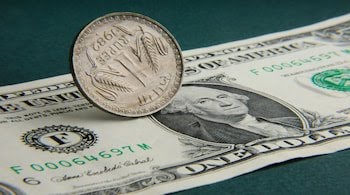
The Indian rupee slid to a record low near the 89 mark against the US dollar, triggering concerns across sectors dependent on foreign currency—particularly overseas education, international travel, and remittances. The sharp depreciation comes amid persistent dollar strength, elevated US Treasury yields, and sustained foreign outflows from Indian markets.
Higher Costs Await Students Studying Abroad
A weaker rupee directly increases the cost of studying overseas. Tuition fees, accommodation, food, and other expenses—already denominated in foreign currency—will now require more rupees for every dollar spent.
Tuition payments could rise 5–7% instantly due to currency impact alone.
Students paying annual fees of USD 30,000 may need to shell out ₹2.67 lakh more if the rupee stays around 89.
Living expenses in countries like the US, UK, Canada, and Australia will see a similar rise, stretching family budgets.
Experts say families planning for the 2025 academic intake may need to revise financial estimates and consider locking exchange rates through forex cards or education loan disbursement strategies.
Foreign Travel Becomes More Expensive
For Indians planning vacations or business trips abroad, the drop in the rupee means higher costs for hotels, transport, shopping, and activities.
Airfare priced in foreign currency may rise for upcoming travel seasons.
Daily expenses—USD 100 a day earlier costing ₹8,300—now approach ₹8,900.
Packages to destinations like Dubai, Singapore, Europe, and the US are expected to see a 4–6% increase.
Travel operators say demand may soften temporarily as travellers reassess budgets, especially ahead of the winter holiday season.
Impact on Remittances and Currency Outflows
While overseas expenses grow costlier, Indians receiving remittances from the Gulf, US, or Europe stand to gain more rupees per dollar. Conversely, parents sending money to students or travellers will pay more.
The RBI is expected to intervene if volatility spikes, but analysts warn that global monetary conditions continue to favour a strong dollar in the near term.
What Should Consumers Do?
Financial advisors recommend:
Using forex cards to lock rates early
Spreading tuition payments instead of paying in one go
Monitoring dollar trends before making large transactions
Booking travel in advance to avoid further currency swings
With the rupee hovering near its weakest level ever, households connected to overseas expenses are likely to feel the pinch unless the currency stabilizes in the coming weeks.









