
Source TOI
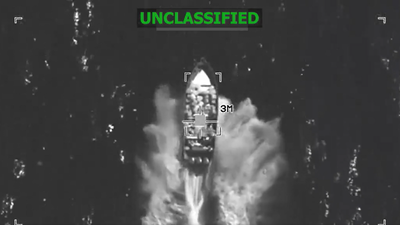
In a dramatic late-night operation in the eastern Pacific Ocean, a suspected narco-terror vessel was struck by a U.S. military aircraft, leaving four people dead and raising fresh questions about escalating counter-narcotics tactics in international waters.
According to U.S. defense officials, the vessel was identified as a “high-threat, fast-moving craft” believed to be transporting both narcotics and armed operatives linked to a transnational criminal network. The strike was launched after the crew allegedly ignored multiple warning calls and made manoeuvres interpreted as hostile.
The incident occurred during a joint surveillance mission by the U.S. Navy and the Drug Enforcement Administration (DEA), part of ongoing efforts to curb drug trafficking routes that run from South America through the Pacific corridor.
Officials said the aircraft fired precision munitions after the vessel “posed imminent danger.” The strike resulted in the immediate destruction of the craft. Four individuals were confirmed dead at the scene. Their identities and nationalities have not yet been disclosed.
A senior U.S. official described the target as a “narco-terror fast boat outfitted with heavy weapons,” claiming the operation had prevented a potential attack on U.S. or allied vessels. However, no independent verification of the threat level has yet been made public.
Human rights groups and maritime law experts have called for transparency, noting that lethal strikes at sea—especially outside declared conflict zones—raise concerns under international law. They have urged Washington to release evidence justifying the use of force.
The U.S. Department of Defense has announced an internal review of the operation but maintains that the strike complied with rules of engagement and international maritime security norms.
The incident adds to a growing pattern of militarised counter-drug operations in the Pacific, even as regional governments push for more collaborative, non-lethal approaches. Further details are expected as investigations continue.









