
Source The eurasian time
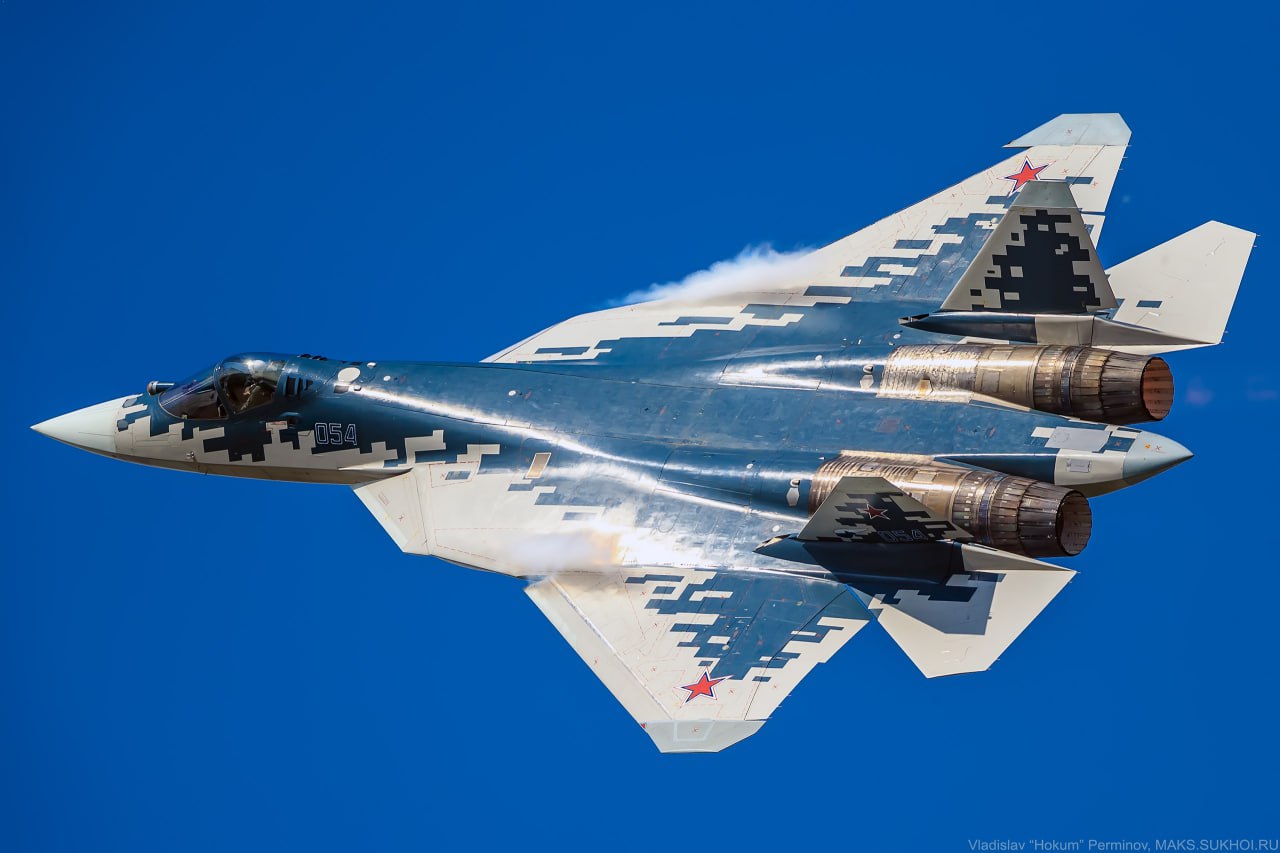
BEIJING—In a move that underscores China’s rapid ascent in military aviation, reports indicate that the People’s Liberation Army Air Force (PLAAF) was not only unimpressed by Russia’s offer to sell its Sukhoi Su-57 “Felon” stealth fighter but effectively rejected the proposal with little serious consideration. The snub highlights a dramatic role reversal in the Sino-Russian defense relationship, where Beijing no longer views Moscow as the undisputed technological leader.
The reasons for the rejection are multi-faceted, ranging from the Su-57’s perceived technological shortcomings to China’s massive strides in developing its own fifth-generation aircraft, particularly the Chengdu J-20 “Mighty Dragon.”
The Stealth Conundrum: Below-Standard Capability
The primary point of contention for Chinese evaluators was reportedly the Su-57’s stealth characteristics. While the jet boasts strong frontal-aspect stealth, designed to evade radar in a head-on engagement, critics point out its significant limitations in all-aspect low observability compared to the American F-22 Raptor and F-35 Lightning II.
According to military analysts, the PLAAF, having successfully developed and operationalized its own J-20, considers the Su-57’s design philosophy—which prioritizes super-maneuverability alongside stealth—to be a compromise that no longer meets its requirements for a true fifth-generation air superiority fighter.
“The Chinese military has moved firmly into the camp where low-observability is paramount,” noted a defense source. “When they look at the Su-57’s design, they see a gap that their own J-20 already fills more effectively. The term ‘below-standard’ has been frequently applied by Chinese media.”
China’s “Mighty Dragon” Dims the “Felon”
The second, and perhaps most critical, factor is the indigenous success of the J-20 program.
The PLAAF is now a major operator of the J-20, a heavy, long-range stealth fighter that bears a closer resemblance in doctrine to the US F-22. With China also developing the carrier-capable Shenyang J-35 stealth fighter, Beijing’s domestic capacity has eliminated the need for an imported alternative.
Initial Chinese interest in the Su-57, if it existed at all, was likely for “learning” purposes—to purchase a small batch to analyze Russian design methodologies, particularly in areas like engine development, before fully transitioning to the domestically produced WS-15 engine for the J-20. However, reports suggest Moscow was reluctant to share critical technology and blueprints, fearing the emergence of a “J-57” copycat, thereby extinguishing any remaining Chinese interest.
Production Woes and Quality Concerns
Russia’s struggles with the Su-57 program, including a protracted development timeline, production delays, and manufacturing quality issues, further discouraged the PLAAF.
Slow Production: Russia has struggled to ramp up series production, which complicates any large-scale export order.
Sanctions Impact: Western sanctions have reportedly hampered the supply of critical electronic components, leading to delays and the delivery of incomplete aircraft to the Russian Aerospace Forces (VKS).
Quality Control: External build quality issues, including visibly unstealthy panel gaps and hardware on display models, have been publicly mocked by Chinese social media users, indicating a lack of confidence in the final product.
For China, which is now churning out J-20s at a steady pace, the Su-57’s limitations in maturity and production reliability made it an unviable option. The “laughing” in Beijing is not purely derision, but the quiet confidence of a military power that no longer relies on its longtime partner for its most advanced equipment.
What’s Next? Russia continues to aggressively market the export variant, the Su-57E, to other potential buyers, including India. However, the rejection by its closest strategic partner, China, serves as a stark reminder of how far its defense industry has fallen in the global stealth race.









