Source The Hindu
Scientists uncover how a tiny genetic change can dramatically alter the physical state of our DNA
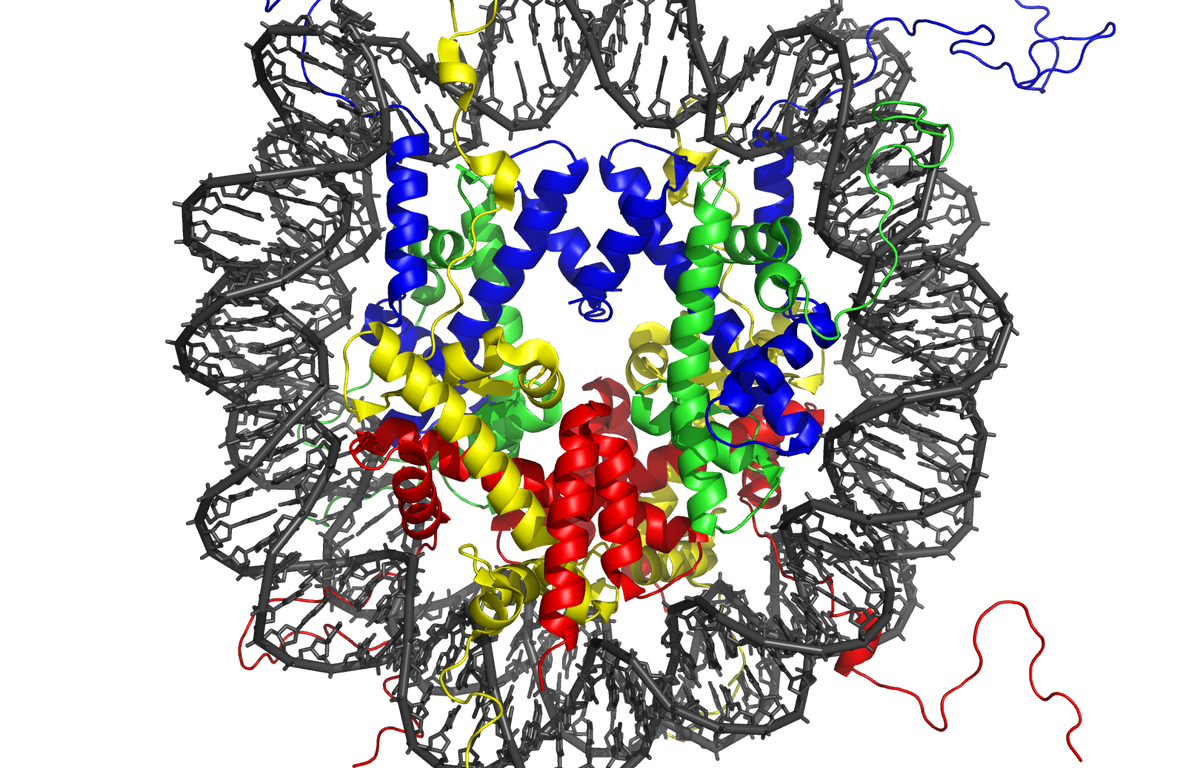
In a breakthrough that reshapes understanding of how genes are regulated, scientists have discovered that changing just five letters in a DNA sequence can transform chromatin — the complex of DNA and proteins inside the nucleus — from a fluid-like state into a solid-like structure.
The study reveals that these small DNA sequence variations can control how tightly chromatin packs itself, influencing whether genes remain accessible or become locked away. Researchers say the finding provides fresh insight into the physical rules that govern gene expression and could have major implications for biology, disease research, and future therapies.
Chromatin is not static. Inside the cell nucleus, it behaves more like a dynamic material, sometimes flowing like a liquid to allow genes to turn on, and at other times stiffening to silence them. Until now, scientists believed that large-scale chemical modifications or protein interactions were primarily responsible for these shifts. The new research shows that even minimal changes at the DNA sequence level can have a powerful effect.
According to the researchers, the five-letter DNA change alters how chromatin-binding proteins interact with the genome. These proteins can undergo a process known as phase separation, similar to how oil separates from water. When the DNA sequence is altered, it can push chromatin from a flexible, fluid-like phase into a more rigid, solid-like state.
“This was surprising,” the study’s authors noted, explaining that such a small genetic difference was enough to change the material properties of chromatin. “It suggests the genome itself encodes not just genetic information, but physical instructions for how DNA should be organized.”
The discovery could help explain why certain genes are consistently active in some cells but permanently silenced in others, even when their DNA sequence differs only slightly. It may also shed light on diseases such as cancer and genetic disorders, where abnormal chromatin packing disrupts normal gene regulation.
Experts say the findings open new avenues for research, including the possibility of designing therapies that target chromatin’s physical state rather than individual genes. By understanding how DNA sequences influence chromatin behavior, scientists may one day be able to precisely control gene activity.
The study highlights a growing realization in biology: tiny changes at the molecular level can have outsized effects on how life functions at the cellular scale.