Source The Hindu
New York: Tensions between the United States and Venezuela sharpened further on Tuesday as Venezuelan President Nicolás Maduro arrived at a federal courthouse in New York, marking a rare and highly symbolic moment in the long-running diplomatic standoff between the two countries.
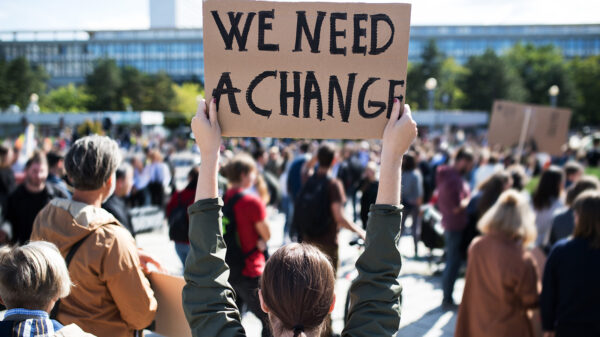
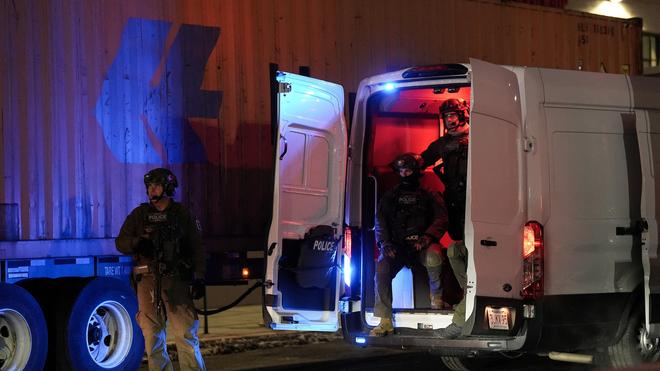
Maduro’s appearance drew intense media attention and heightened security, with U.S. federal authorities maintaining a heavy presence around the courthouse. Supporters and protesters also gathered nearby, reflecting the deep political divisions surrounding the Venezuelan leader, both at home and abroad.
While official details of the court proceedings were not immediately disclosed, the development comes amid years of strained relations between Washington and Caracas. The United States has repeatedly accused Maduro’s government of human rights violations, democratic backsliding, and corruption, allegations that Venezuela has consistently rejected as politically motivated.
Venezuelan officials described the courthouse appearance as part of ongoing legal and diplomatic engagements, insisting that Maduro remains the legitimate president of Venezuela. State media in Caracas framed the event as evidence of Venezuela’s resistance to what it calls U.S. “judicial and economic pressure.”
U.S. officials, meanwhile, reiterated their stance that accountability mechanisms are necessary to address alleged abuses linked to the Venezuelan government. The Biden administration has maintained sanctions on key Venezuelan individuals and institutions, even as limited diplomatic channels have reopened in recent months due to global energy concerns.
Analysts say Maduro’s presence in New York underscores the complex nature of U.S.-Venezuela relations, where legal actions, diplomacy, and geopolitics are increasingly intertwined. “This is not just a legal moment, but a political signal,” said a Latin America expert based in Washington. “It highlights how unresolved the Venezuela crisis remains.”
As developments continue, the courthouse appearance is expected to add a new layer of tension to already fragile relations, with potential implications for regional diplomacy, sanctions policy, and future negotiations between the two countries.