
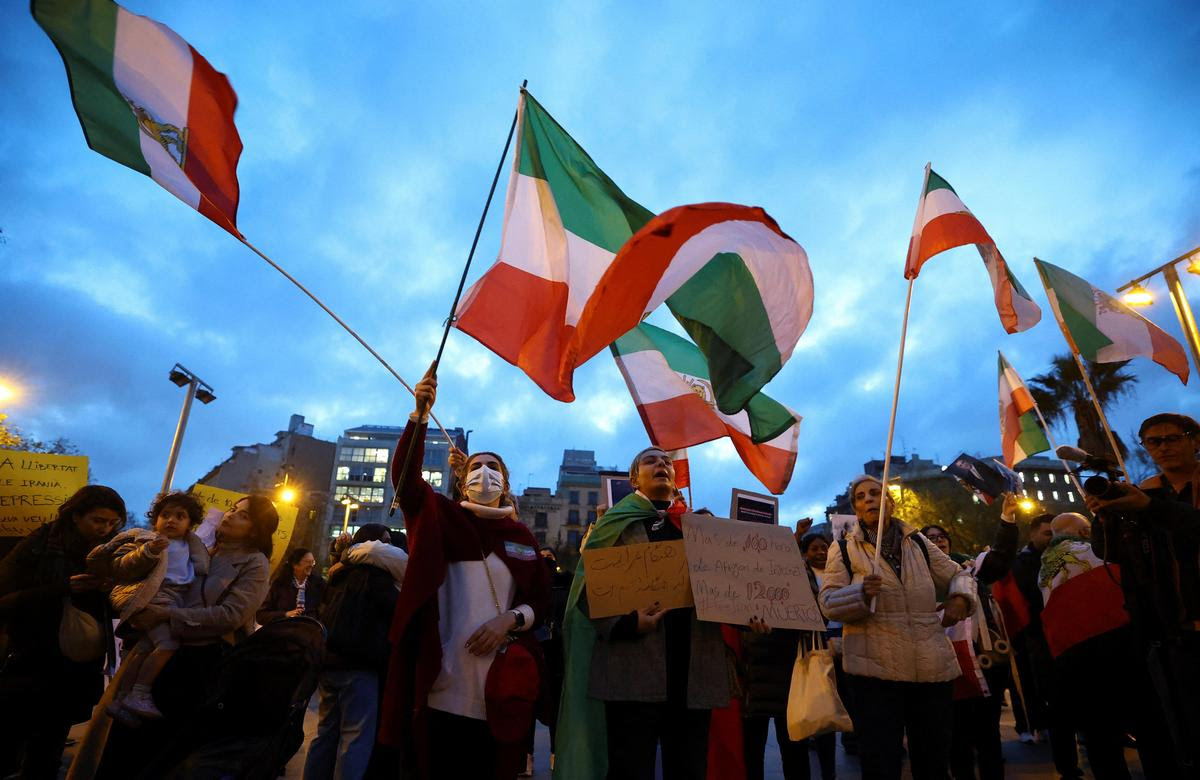
Source The Hindu
PARIS/TEHRAN — French Foreign Minister Jean-Noël Barrot issued a stark warning on Wednesday, stating that the Iranian government’s ongoing crackdown on nationwide demonstrations may be the most violent in the country’s contemporary history.
The remarks come as international concern grows over a spiraling death toll and reports of mass executions following weeks of unrest. “What we suspect is that this is the most violent repression in Iran’s contemporary history and that it must absolutely stop,” Barrot told lawmakers, describing the regime’s actions as “intolerable, unbearable, and inhumane.”
A Rising Death Toll Amid an Information Blackout
While a near-total internet blackout has hindered real-time reporting, human rights groups and activist networks have begun to release staggering casualty estimates:
Verified Deaths: The US-based rights group HRANA reported at least 2,571 verified deaths as of January 14. This includes 2,403 protesters and 147 government-affiliated personnel.
Unconfirmed Reports: Some opposition outlets, citing internal government sources, suggest the true death toll could exceed 12,000, particularly following a “bloody weekend” on January 8–9 when security forces reportedly used automatic weapons to clear city centers.
Detentions: More than 18,100 people have been detained across 31 provinces.
Escalation and the Threat of Executions
The protests, which began in late December 2025 following a collapse of the Iranian rial, have morphed from economic grievances into a direct challenge to the clerical establishment.
Tensions reached a fever pitch this week as reports emerged of imminent executions. Erfan Soltani, a 26-year-old protester, is reportedly facing execution today in Karaj. The United States has warned of “strong action” if the regime proceeds with mass hangings.
“There can be no impunity for those who turn their weapons against peaceful protesters.”
— Jean-Noël Barrot, French Foreign Minister
International Reaction
The diplomatic rift between Tehran and the West has widened significantly:
Diplomatic Summons: France, Germany, Italy, and Spain have all summoned Iranian ambassadors to lodge formal protests against the “state violence.”
U.S. Stance: President Donald Trump has publicly urged Iranians to “keep protesting,” stating on social media that “help is on its way.”
U.N. Involvement: The U.N. Independent International Fact-Finding Mission on Iran has called for an immediate restoration of internet access, noting that the current violence mirrors—and likely surpasses—the “Woman, Life, Freedom” protests of 2022.
Current Status on the Ground
Despite the presence of snipers and the deployment of the Islamic Revolutionary Guard Corps (IRGC), protests continue in major hubs like Tehran, Mashhad, and Kermanshah. Meanwhile, the Iranian government has organized its own counter-rallies and state funerals for security forces, blaming “foreign terrorists” and “external interference” for the chaos.









