
Source Mint
SYDNEY, AUSTRALIA—Australian Prime Minister Anthony Albanese declared a “proud day” for the nation on Wednesday as a world-first ban on social media use for children under the age of 16 officially took effect. The landmark legislation, which places the onus on major tech companies to block access or face substantial fines, was hailed by the PM as a crucial step in “taking back control from big tech.”
Under the new law, platforms including TikTok, Instagram, YouTube, and Facebook are required to take “reasonable steps” to prevent Australian minors under 16 from creating or maintaining accounts. Companies that fail to comply with the ban risk fines of up to A49.5 million (approximately US33 million).
A Profound Cultural Change
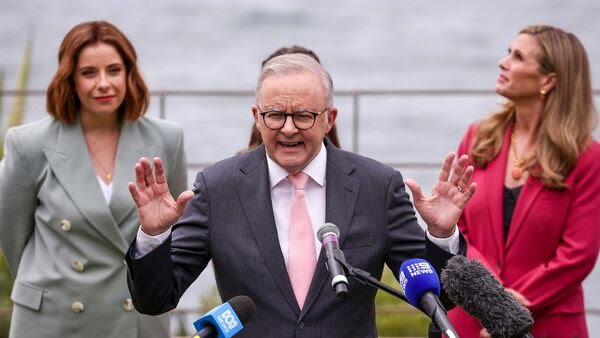
“This is the day when Australian families are taking back power from these big tech companies, and they’re asserting the right of kids to be kids and for parents to have greater peace of mind,” Prime Minister Albanese told reporters. He described the move as “one of the biggest social and cultural changes that our nation has faced.”
“New technology can do wonderful things but we need to make sure that humans are in control of our own destiny and that is what this is about,” Albanese stated, underscoring the government’s motivation to protect children from online harms such as cyberbullying, misinformation, and content promoting poor mental health and body image issues.
The legislation, passed as the Online Safety Amendment (Social Media Minimum Age) Bill 2024, comes into force after a year of debate and is being closely watched by governments worldwide considering similar measures.
Focus on Company Compliance, Not Penalties for Families
Crucially, the law targets the platforms themselves, not children or their parents. The government’s eSafety Commissioner will monitor compliance, with restricted platforms including:
Meta’s Facebook, Instagram, and Threads
Alphabet’s YouTube
TikTok
X (formerly Twitter)
Snapchat, Reddit, Kick, and Twitch
While the move has been widely welcomed by parents and child advocates, it has drawn blowback from major tech firms and some free-speech advocates who question its effectiveness and design. Many young Australians also voiced their dismay in farewell messages posted online in the hours leading up to the ban.
In a video message set to be shown in schools, PM Albanese encouraged affected children to use their newfound free time to “start a new sport, new instrument, or read that book that has been sitting there for some time on your shelf,” ahead of the summer school break.
Australia is now entering a pivotal period as the world observes the practical implementation and long-term impact of the first national social media ban for young teens.









