
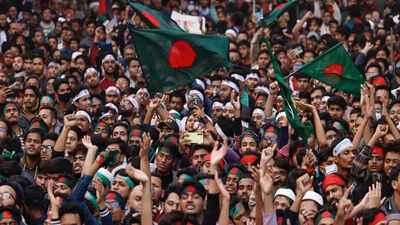
Source TOI
Dhaka / Khulna, December 22, 2025 — Political violence in Bangladesh deepened on Monday as Md Motaleb Sikdar, a prominent youth and labour leader, was shot in the head in the southwestern city of Khulna. The attack — coming just days after the fatal shooting of student leader Sharif Osman Hadi — underscores growing tensions ahead of the country’s February 2026 general elections.
Attack on Motaleb Sikdar
Md Motaleb Sikdar, 42, was targeted by unidentified assailants around 11:45 a.m. in the Sonadanga area of Khulna. Police said the gunmen fired at him at close range, hitting the left side of his head. Sikdar was rushed to Khulna Medical College Hospital in critical condition, though doctors later reported that the bullet grazed his skull and he is now out of immediate danger.
Security forces cordoned off the scene, and an investigation is underway. Local police confirmed that the attack took place in broad daylight, intensifying fears of politically motivated violence.
Who Is Motaleb Sikdar?
Sikdar is a senior leader of the National Citizen Party (NCP), serving as the Khulna divisional chief and a central organiser of its workers’ wing, Jatiya Sramik Shakti — a labour and youth organisation aligned with the party.
As a figure in Bangladesh’s evolving political landscape, Sikdar has played a role in labour organising and local political mobilisation, especially in the aftermath of the 2024 student-led uprising which toppled the previous Awami League government. His prominence in opposition politics and labour movements has made him a visible target amid rising unrest.
Context: After Sharif Osman Hadi
Sikdar’s shooting comes days after the death of Sharif Osman Hadi, a charismatic student leader whose assassination on December 12 set off nationwide protests. Hadi was shot in Dhaka while campaigning and later died in a Singapore hospital on December 18 after succumbing to his injuries.
Hadi — known for his role in the Inqilab Mancha (Platform for Revolution) movement and outspoken criticism of foreign influence in Bangladesh politics — had become a symbol of youth activism. His death sparked mass demonstrations in Dhaka and other cities, with crowds demanding justice, accountability, and protection for political activists.
Escalating Unrest and Political Concerns
The attacks on both Hadi and Sikdar highlight the broader volatility gripping Bangladesh. Since the ouster of former Prime Minister Sheikh Hasina in August 2024, political polarization and street violence have surged, with rival factions clashing and civil society raising alarms over security for opposition figures.
Authorities say they are investigating both shootings, and security forces have been deployed to quell further unrest. With national elections only weeks away, analysts warn that such targeted attacks on political leaders could further destabilise the fragile political atmosphere.









