Source NDTV
Dhaka: Bangladesh headed into a crucial general election in 2026, marking the first national polls in the post-Sheikh Hasina era. The election is being seen as a defining moment for the country’s political direction, economic stability, and democratic credibility after years of intense political contestation and public debate.
A Turning Point in Bangladeshi Politics
The 2026 election comes amid significant political transition. Following Sheikh Hasina’s departure from frontline politics, major parties have been recalibrating their strategies and leadership structures. The ruling establishment is seeking to retain continuity in governance, while opposition forces are attempting to capitalize on public sentiment for change.
Political analysts describe the polls as a referendum on the country’s recent trajectory — including its economic policies, human rights record, and relations with global partners.
Key Issues at Stake
Several critical issues dominate the electoral narrative:
Economic Stability: Bangladesh has experienced rapid economic growth over the past decade but has also faced inflationary pressures, currency fluctuations, and concerns over external debt. Voters are closely watching how parties plan to manage job creation, exports, and rising living costs.
Democratic Institutions: The credibility of electoral processes remains a central topic. Opposition parties have demanded stronger safeguards to ensure free and fair polling, while authorities have reiterated their commitment to transparent elections.
Youth and Employment: With a large young population, employment generation and education reforms are major campaign promises. Political parties have unveiled pledges focused on digital innovation, industrial expansion, and skill development.
Foreign Policy: Bangladesh’s strategic position in South Asia makes its foreign relations vital. Balancing ties with neighboring India, China, the United States, and regional blocs will be a key challenge for the next government.
Security and Election Monitoring
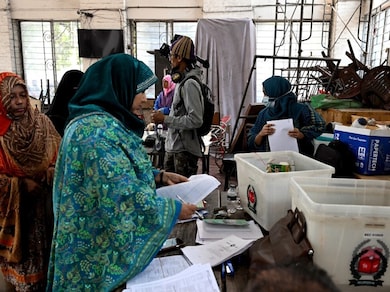
Security has been tightened nationwide to prevent violence and ensure peaceful voting. Law enforcement agencies, along with election officials, have deployed additional personnel across sensitive constituencies. Observers from domestic and international organizations are monitoring the process to enhance transparency.
Voter Sentiment
Public opinion appears divided. Supporters of continuity argue that stability and development must remain priorities, while critics emphasize the need for institutional reforms and broader political participation. Turnout levels are expected to be a crucial indicator of public confidence in the electoral system.
What Happens Next?
The outcome of the 2026 polls will shape Bangladesh’s policy direction for the next five years. A decisive mandate could bring stability, while a fractured verdict may lead to coalition negotiations and prolonged political bargaining.
As counting begins and early trends emerge, the nation — and the region — watches closely. The post-Hasina chapter of Bangladesh’s democracy is now being written at the ballot box.