Source NDTV sport
The Board of Control for Cricket in India (BCCI) has addressed mounting concerns over ticket refunds after the fourth T20 International between India and South Africa was called off without a ball being bowled due to excessive fog, leaving thousands of fans disappointed.
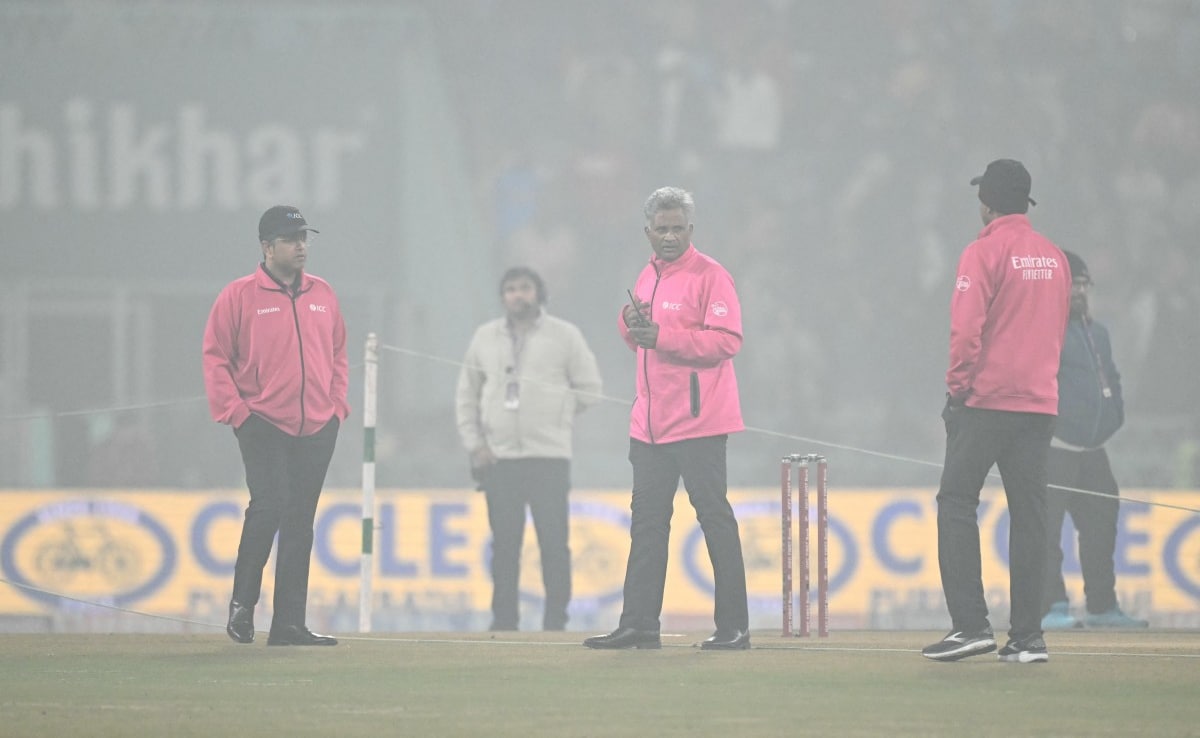
The match, scheduled to be played under lights, was abandoned after dense fog engulfed the stadium, significantly reducing visibility and making play unsafe for players and officials. Despite repeated inspections by on-field umpires and match officials, conditions failed to improve, forcing the officials to call off the game.
Following the abandonment, spectators who had packed the venue began demanding refunds, with many taking to social media to express their frustration. Fans cited poor visibility for several hours and questioned why the match was not rescheduled or started earlier to avoid the fog-related disruption.
Responding to the backlash, the BCCI clarified that ticket refund policies are governed by pre-declared terms and conditions and are implemented in coordination with the host association and ticketing partners. A senior BCCI official said the board understands the disappointment of fans but pointed out that weather-related disruptions are beyond the control of organisers.
“The match had to be abandoned purely on safety grounds. While we empathise with the fans, refunds are subject to the ticketing policy agreed upon before the series,” the official stated. The board added that any decision on refunds would be communicated by the respective state cricket association and the authorised ticketing platform.
The abandoned fixture also had implications for the series schedule, though it did not affect the overall outcome. Players from both teams were seen interacting with fans and officials as the announcement was made, but the mood in the stands remained subdued.
The incident has once again sparked debate over scheduling night matches in venues prone to heavy winter fog, with fans and experts urging cricket administrators to consider alternative timings or venues to avoid similar disruptions in the future.