Source TOI
New Delhi: The Union Home Ministry (MHA) has clarified that the controversial proposal to bring the Union Territory (UT) of Chandigarh under the ambit of Article 240 of the Constitution will not be introduced as a bill in the upcoming Winter Session of Parliament. The clarification comes amidst a significant political storm in Punjab, where the move was widely viewed as an attempt by the Centre to dilute the state’s historical claim over its capital city.
MHA Walks Back Amidst Protests
The Ministry of Home Affairs issued a statement on Sunday, stressing that the proposal—which had been provisionally listed in Parliament’s bulletin as the Constitution (131st Amendment) Bill, 2025—is “still under consideration” and that “no final decision has been taken.”
“The proposal only to simplify the Central Government’s law-making process for the Union Territory of Chandigarh is still under consideration with the Central Government,” the MHA statement read, adding that the proposal does not seek to alter Chandigarh’s governance structure or its traditional arrangements with the states of Punjab or Haryana. The Ministry promised that a decision would be taken only after “adequate consultations with all stakeholders.”
What The Change Would Have Meant for Chandigarh
Article 240 grants the President of India the power to make regulations for the peace, progress, and good government of certain Union Territories that do not have their own elected legislatures, such as the Andaman and Nicobar Islands, Lakshadweep, and Dadra and Nagar Haveli and Daman and Diu.
Independent Administrator: Applying Article 240 to Chandigarh would likely pave the way for the appointment of an independent Lieutenant Governor (L-G), a move that would end the current arrangement where the Governor of Punjab holds the additional charge as the UT Administrator.
Direct Central Legislation: The President’s power to frame regulations under this Article effectively grants the Centre the power to legislate directly for the UT, bypassing the need for a separate Act of Parliament for many matters.
Punjab’s Political Outcry
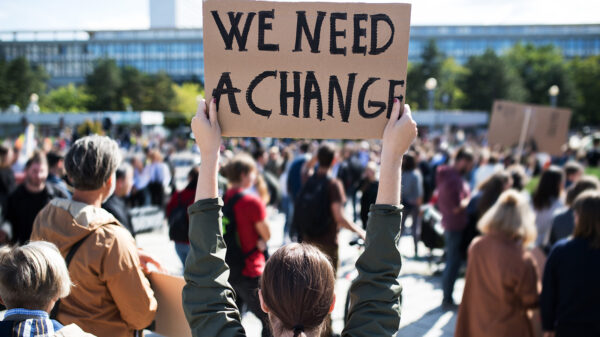
The initial listing of the Bill in the Parliament bulletin led to swift and unified opposition from the entire political spectrum in Punjab. Leaders from the ruling Aam Aadmi Party (AAP) and the Opposition Congress and Shiromani Akali Dal (SAD) severely criticised the proposed amendment.
Punjab Chief Minister Bhagwant Mann called the move a “conspiracy to snatch” Punjab’s capital, stating, “Chandigarh… belongs solely to Punjab.” The universal sentiment across the state’s political class was that the amendment was a calculated effort to weaken Punjab’s “historical, constitutional, and emotional claim” over the city, which was designated as a UT and the joint capital of Punjab and Haryana in 1966.
The MHA’s latest clarification that the Bill will not be tabled in the Winter Session, for now, provides a temporary reprieve for Punjab, though the underlying proposal remains “under consideration.”