
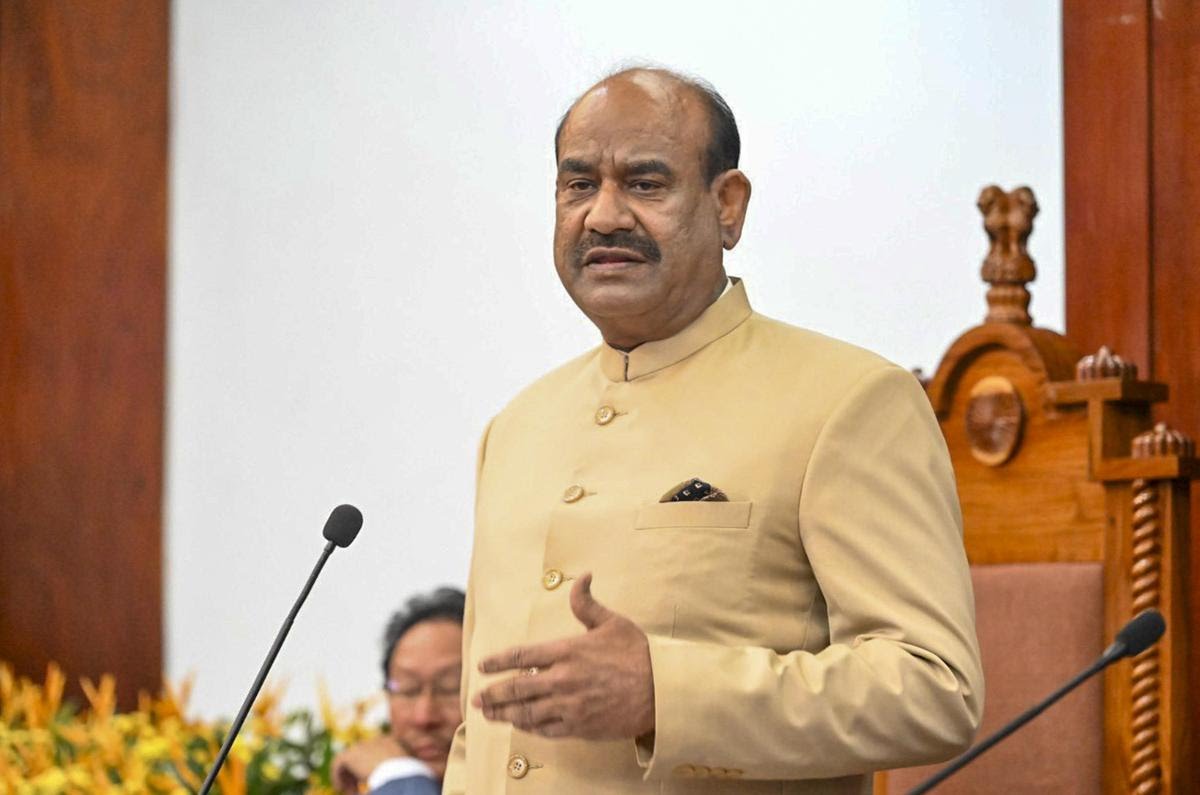
Source The Hindu
NEW DELHI – In a move that has sent shockwaves through the corridors of Parliament, the opposition INDIA bloc on Tuesday formally submitted a notice for a resolution to remove Lok Sabha Speaker Om Birla. The coalition, led by the Congress, has accused the Speaker of “blatantly partisan” conduct and an “abuse of constitutional office” during the ongoing 2026 Budget Session.
The Breaking Point
The notice, signed by approximately 120 Members of Parliament from parties including the Congress, Samajwadi Party (SP), DMK, and RJD, was submitted to the Lok Sabha Secretary General at 1:14 PM. This dramatic escalation follows days of intense friction over the denial of speaking time to the Leader of the Opposition (LoP), Rahul Gandhi.
The opposition’s grievances are rooted in several key flashpoints:
Silencing the LoP: Allegations that Rahul Gandhi was repeatedly prevented from addressing the House during the Motion of Thanks to the President’s Address.
Targeting Women MPs: Claims that the Speaker made “unsubstantiated and derogatory” charges against Congress women MPs on the floor.
Selective Discipline: The suspension of eight opposition MPs for the remainder of the session, while allegedly failing to act against ruling party members who made personalized attacks on former Prime Ministers.
Questioning Safety: The Speaker’s recent claim that he had “concrete information” regarding opposition plans to approach the Prime Minister’s seat in a threatening manner, which the bloc termed a “blatant falsehood.”
The Constitutional Road Ahead
Under Article 94(c) of the Indian Constitution, the Speaker can be removed by a resolution passed by a majority of all the then-members of the House. However, the path to removal is steep:
14-Day Notice: The resolution cannot be moved until a mandatory 14-day notice period has elapsed.
Moral Grounds: Citing moral propriety, sources indicate that Om Birla will not preside over House proceedings while the notice for his removal is under consideration.
Article 96: This provision bars the Speaker from presiding over sittings where their removal is being discussed, though they retain the right to speak and defend themselves during the debate.
“We are pained by the consistent denial of opportunities to raise issues of public importance. This is an extraordinary step born out of extraordinary circumstances,” said Congress MP Manickam Tagore.
Numbers and Strategy
While the move serves as a powerful political statement, its success remains a long shot. Historically, no Lok Sabha Speaker has ever been successfully ousted, primarily because the governing party typically holds the “simple majority” (more than 50% of the effective strength) required to defeat such a motion.
Interestingly, the Trinamool Congress (TMC) has maintained a slight distance, opting not to sign the initial notice. Party leaders suggested they would first prefer to send a formal protest letter to the Speaker, granting him a 48-hour window to address their concerns before committing to the no-confidence move.
Government Response
Parliamentary Affairs Minister Kiren Rijiju dismissed the move as a desperate tactic, stating that the opposition lacks the numbers to see the resolution through. He maintained that the Chair has functioned strictly within the Rules of Procedure to manage a House frequently disrupted by opposition protests.
With the Budget Session already marred by repeated adjournments, this constitutional standoff threatens to paralyze legislative business for the remainder of the term.









