
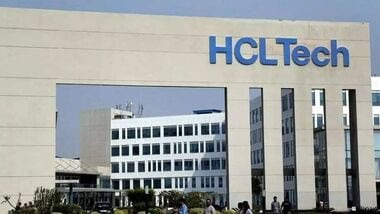
Source Live Mint
CHENNAI – In an unusual turn of events for India’s IT sector, HCLTech has authorized its Chennai-based employees to work from home on March 12 and 13, 2026. The move comes not as a response to a digital glitch or a health crisis, but due to a severe shortage of commercial Liquefied Petroleum Gas (LPG) that has paralyzed office cafeterias.
Cafeteria Shutdowns Trigger Remote Shift
The ongoing fuel crunch has left third-party food vendors at HCLTech’s massive Chennai campuses unable to operate their kitchens. With thousands of employees reliant on these facilities for daily meals, the company opted for a proactive remote-work solution to avoid widespread inconvenience.
Two senior executives confirmed that several vendors reached a breaking point this week, unable to secure the necessary commercial cylinders to maintain full-scale catering.
A Broader Energy Crisis
The disruption at HCLTech is a localized symptom of a much larger geopolitical and economic issue. Analysts point to several factors driving the current shortage:
Geopolitical Tensions: Ongoing conflicts in West Asia have disrupted global energy supply chains, specifically affecting LPG imports.
Price Hikes: The price of a 19 kg commercial cylinder has surged by ₹144, while domestic cylinders have seen a ₹60 increase, putting immense pressure on caterers.
Supply Prioritization: To protect households, the Indian government has invoked the Essential Commodities Act, prioritizing domestic supply over commercial use.
Industry-Wide Ripple Effects
HCLTech is not the only tech giant feeling the heat. Infosys has also issued advisories at its Bengaluru and Chennai locations.
“Food court vendors are currently receiving reduced LPG supplies. All food courts will temporarily operate with a limited menu. Employees are encouraged to bring home-cooked food where possible.” — Internal memo from Infosys to staff.
To combat the shortage, some campuses are reportedly pivoting to alternative cooking methods, such as induction-based electric appliances and increasing the availability of pre-cooked “heat-and-eat” meals.
Looking Ahead
While HCLTech’s current WFH order is a temporary two-day measure, the situation remains fluid. Government officials have stated they are working to ramp up domestic production and explore alternative import routes, but for now, the “lunch break” at India’s major IT hubs remains under threat.
For the hundreds of thousands of IT professionals in the city, the “new normal” might temporarily involve trading the office food court for their own kitchens until the gas lines open up again.









