
Source The economics Times
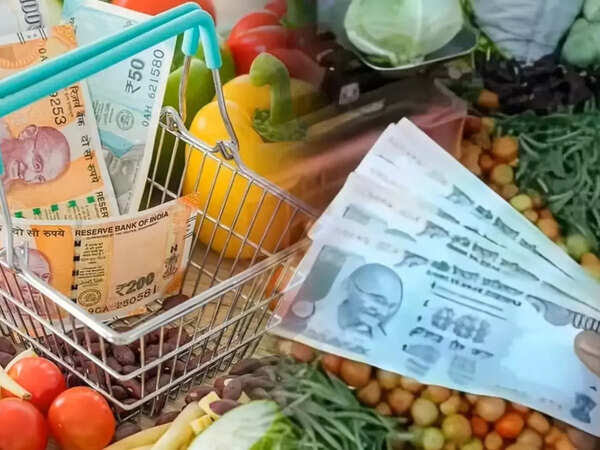
New Delhi — For decades, the health of the Indian economy was measured by the price of a wheat sack and the cost of mustard oil. But as the government prepares to overhaul the Consumer Price Index (CPI), the “inflation basket” is undergoing a radical makeover. The shift tells a compelling story of a nation moving from a struggle for subsistence to a quest for lifestyle.
The updated math reveals a “New India” where data packs are as essential as pulses, and a subscription to a streaming platform is factored in alongside the price of a roti.
The Great Rebalancing
The most significant change in the new inflation framework is the declining weight of food. As households earn more, the proportion of income spent on basic groceries naturally drops—a phenomenon known as Engel’s Law.
The Old Guard: Traditional staples like cereals and vegetables are seeing their “weightage” reduced.
The New Essentials: Spending is migrating toward processed foods, dining out, and high-protein diets.
The Services Surge: Education, healthcare, and “conspicuous consumption” (like personal care and electronics) are taking up a larger slice of the pie.
The Digital Lifeblood
Perhaps the most “New India” aspect of the revised math is the inclusion and increased weight of telecommunications and digital services.
In the previous decade, a mobile phone was a luxury; today, it is a tool for livelihood. With India boasting some of the highest data consumption rates globally, the cost of 5G plans and OTT (Over-the-Top) entertainment platforms like Netflix and Disney+ Hotstar are now legitimate markers of the cost of living.
“We are seeing a transition from a ‘thali-based’ economy to a ‘tech-based’ lifestyle,” says a senior economic analyst. “Inflation isn’t just about whether you can afford to eat; it’s about whether you can afford to participate in the modern economy.”
Why This Matters
This isn’t just a statistical exercise. The CPI dictates how the Reserve Bank of India (RBI) sets interest rates. By accurately reflecting what Indians actually buy today—smartphones, gym memberships, and streaming services—the central bank can make more informed decisions to keep the economy stable.









