Source The Hindu
NEW DELHI — In a rare admission from Washington, the Trump administration has conceded that India is the primary beneficiary of the landmark Free Trade Agreement (FTA) recently finalized with the European Union.
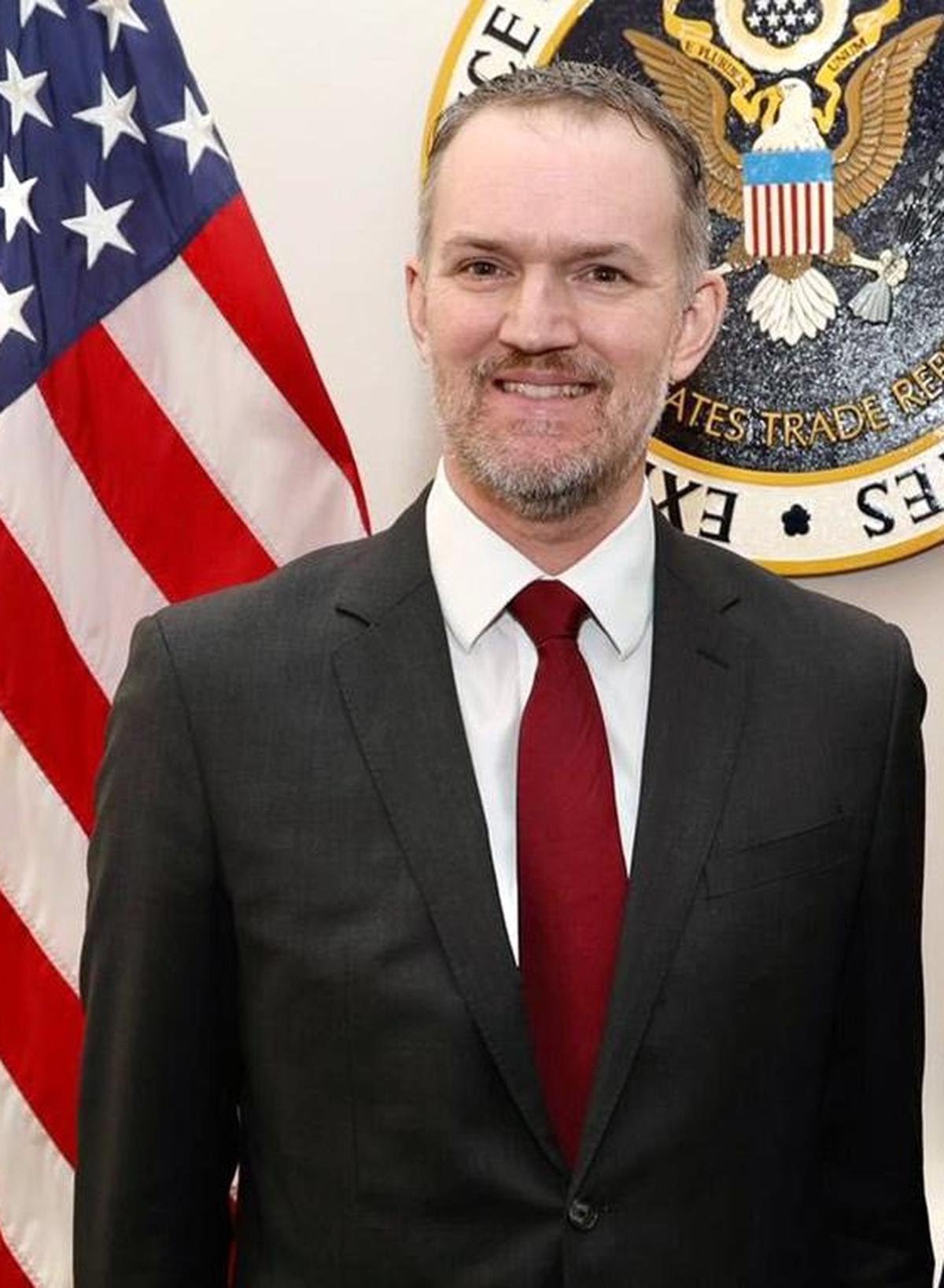
U.S. Trade Representative Jamieson Greer, speaking in an interview following the conclusion of the “mother of all deals” on January 27, 2026, stated bluntly, “India comes out on top on this, frankly.” The remark highlights a significant shift in global trade dynamics as New Delhi and Brussels move to insulate themselves from the protectionist “America First” policies currently dominating the U.S. capital.
A Strategic Pivot Amidst Tariff Pressures
The agreement, which has been in the works for nearly two decades, reached a fever pitch over the last six months. Analysts suggest that the aggressive tariff regime imposed by President Trump—including a 50% levy on many Indian goods—acted as the ultimate “unifier,” pushing two of the world’s largest democratic markets into each other’s arms.
Market Reach: The deal creates a free trade zone of nearly 2 billion people, representing 25% of global GDP.
Duty Elimination: The EU will eliminate tariffs on 99% of Indian exports, providing a massive boost to sectors like textiles, leather, and gems.
Indian Concessions: In exchange, India will slash duties on European luxury cars (from 110% down to 10%) and wines, while opening up its services and pharmaceutical sectors.
Washington’s “Backhanded” Compliment
While Greer acknowledged India’s victory, the Trump administration’s reaction remained characteristically sharp. Greer argued that the EU is “doubling down on globalization” only because the U.S. is “charging a fee” for market access.
Meanwhile, U.S. Treasury Secretary Scott Bessent took a harder line, accusing the deal of creating a loophole for Russian energy. “The Europeans are financing the war against themselves,” Bessent claimed, pointing to India’s refining of Russian crude which is then sold to European markets.
Beyond Commerce: A New Security Blueprint
The summit in New Delhi wasn’t limited to trade. Prime Minister Narendra Modi and European Commission President Ursula von der Leyen also signed a Security and Defence Strategic Partnership.
“This is not just a trade agreement; it is a new blueprint for shared prosperity and stability in a world of turmoil,” Prime Minister Modi said, framing the deal as a cornerstone of India’s strategic autonomy.
Key Highlights of the Agreement
Sector Impact for India Impact for EU
Manufacturing Duty-free access for textiles, apparel, and footwear. Easier entry for machinery and high-tech equipment.
Automotive Increased competition, but cheaper luxury components. Tariffs on cars slashed from 110% to 10% (under quota).
Labor/Mobility Enhanced “mobility rights” for Indian skilled workers. Access to India’s massive pool of low-cost, high-skill talent.
Agriculture Easier market access for Indian farmers. Massive duty cuts on European wines, spirits, and olive oil.