Source fxempire
Global precious metals markets are facing a critical tug-of-war as escalating tensions in the Middle East compete with shifting expectations around U.S. Federal Reserve policy, leaving investors uncertain about the next move in gold and silver prices.
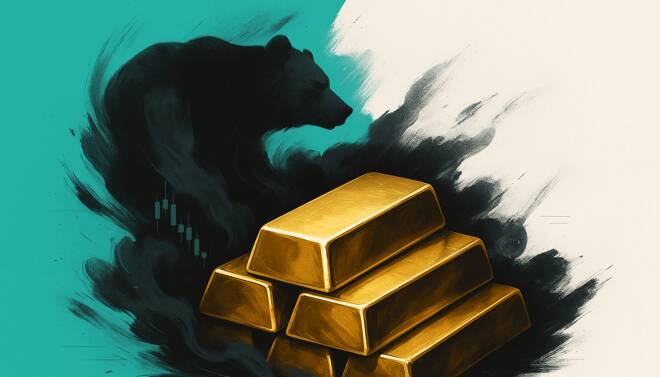
Gold (XAU/USD), traditionally viewed as a safe-haven asset, has seen renewed buying interest amid rising geopolitical instability. Concerns over potential conflict spillovers and disruptions to global energy supply chains have heightened risk aversion, pushing investors toward bullion. Silver, which often tracks gold’s direction while also reflecting industrial demand, has followed a similar upward trajectory, though with more volatility.
However, the bullish momentum for precious metals is being challenged by the Federal Reserve’s monetary stance. Recent signals from policymakers suggest that interest rates may remain higher for longer as inflation pressures persist. Elevated interest rates tend to strengthen the U.S. dollar and increase the opportunity cost of holding non-yielding assets like gold and silver, limiting their upside potential.
Market participants are now closely watching upcoming economic data, particularly inflation readings and employment figures, for clearer guidance on the Fed’s next move. Any indication of rate cuts could provide a strong boost to gold prices, while continued hawkish rhetoric may cap gains or even trigger short-term corrections.
Analysts suggest that in the near term, gold prices are likely to remain highly sensitive to geopolitical headlines. A further escalation in Middle East tensions could push gold toward new highs, while signs of de-escalation may shift focus back to macroeconomic fundamentals and interest rate expectations.
Silver’s outlook remains mixed, supported by safe-haven demand but tempered by concerns over global economic growth, which directly impacts its industrial usage.
In conclusion, the battle between geopolitical uncertainty and monetary policy is set to define the trajectory of gold and silver in the coming weeks. Investors should brace for heightened volatility as both forces continue to shape market sentiment.