Source Mint
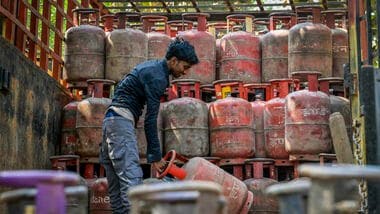
NEW DELHI – In a strategic move to stabilize the energy market and curb illegal stockpiling, the Union Government on Thursday announced that Oil Marketing Companies (OMCs) will begin allocating 20% of the average monthly commercial LPG requirement effective immediately.
The decision, announced by Union Petroleum and Natural Gas Minister Hardeep Singh Puri in the Lok Sabha, comes as India navigates a tightening energy landscape caused by the ongoing conflict in West Asia and disruptions in the Strait of Hormuz, a vital maritime chokepoint for LPG imports.
Balancing Priority and Prevention
While domestic supply remains the government’s top priority, the commercial sector—including hotels, restaurants, and small eateries—has faced significant supply constraints. Minister Puri clarified that the new allocation limit is a regulatory measure designed to prevent black marketing and hoarding rather than a penalty on the hospitality industry.
“In a supply-constrained environment with elevated public anxiety, the deregulated structure of commercial LPG can lead to hoarding and resale at inflated prices,” Puri explained. “We are regulating this channel to ensure available volumes reach genuine users first.”
Key Measures and Priority Tiers
The government has established a clear hierarchy of supply to ensure essential services remain uninterrupted:
Sector Allocation Status
Domestic Households 100% Supply (Prioritized)
Hospitals & Schools Exempt from cuts; treated as priority
Commercial (Hotels/Eateries) 20% of average monthly requirement
Industrial/Manufacturing Up to 80% of six-month average
Fertilizer Plants Up to 70%
Strategic Interventions
To mitigate the impact of the 20% cap on commercial users, the Ministry of Petroleum and Natural Gas has introduced several relief measures:
Alternate Fuels: The Centre has released an additional 48,000 kilolitres of kerosene to states to be used as an alternative fuel.
Production Boost: Domestic LPG production has been ramped up by 28% over the last five days through refinery directives.
Import Diversification: Cargoes are being secured from alternative sources including the US, Norway, Canada, Algeria, and Russia to bypass the Hormuz disruption.
Enforcement: A three-member committee from IOCL, HPCL, and BPCL is working with state governments to identify genuine beneficiaries and monitor distribution.
Public Advisory
The Ministry urged citizens to avoid panic booking, noting that the delivery cycle for domestic households remains stable at approximately 2.5 days. However, to further discourage hoarding, the mandatory gap between domestic LPG refills has been temporarily increased from 21 to 25 days.
As the hospitality sector in major hubs like Bengaluru, Mumbai, and Kolkata reports “irregular” supply, the government has signaled it may soon release additional 19 kg commercial cylinders once state-level monitoring systems are fully operational.