
Source Bar and Bench
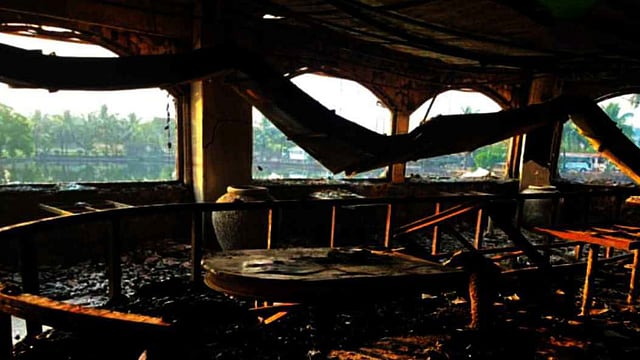
PANAJI – In a significant judgment reinforcing public safety and state accountability, the Bombay High Court at Goa has ruled that both the State government and nightclub owners are liable to pay compensation to victims of a devastating fire incident.
The court emphasized that the “right to life” under Article 21 of the Constitution includes the right to be protected from avoidable hazards in public spaces.
Key Rulings and Accountability
The Bench, while hearing a series of petitions related to the fire tragedy, noted that the disaster was not merely an accident but a result of systemic negligence. The court’s findings highlighted two main pillars of liability:
State Negligence: The Court observed that government departments failed in their duty to enforce fire safety norms. By granting licenses to establishments that lacked proper emergency exits and fire-fighting equipment, the State shared the burden of the consequences.
Owner Culpability: The nightclub owners were found to have prioritized profit over patron safety, operating in clear violation of the National Building Code and local fire safety bylaws.
A Landmark Precedent for Safety
Legal experts suggest this ruling sets a powerful precedent for the hospitality industry in India. The Court clarified that the State cannot “wash its hands” of responsibility once a license is issued; continuous monitoring is a mandatory obligation.
“The State’s duty does not end at issuing a permit. It extends to ensuring that the conditions of that permit—specifically those regarding human safety—are strictly maintained.” — Excerpt from the High Court Ruling.
Impact on the Hospitality Sector
Following the verdict, the Goa administration is expected to launch a massive crackdown on establishments currently operating without valid Fire No Objection Certificates (NOCs).
What this means for the victims:
Direct Compensation: A structured payout plan involving both the State treasury and the private assets of the owners.
Legal Recourse: Victims no longer need to prove individual intent; the breach of safety regulations is sufficient for liability.









