Source TOI
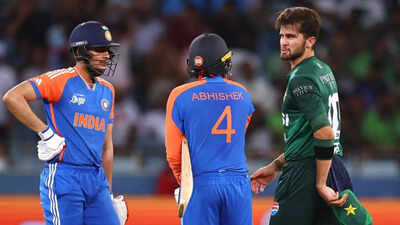
COLOMBO – Following days of intense speculation and diplomatic uncertainty, the much-anticipated group-stage showdown between India and Pakistan in the T20 World Cup is officially set to proceed. The match, scheduled for February 15 in Colombo, was cleared after successful back-channel negotiations involving the International Cricket Council (ICC), the Pakistan Cricket Board (PCB), and the Bangladesh Cricket Board (BCB).
While the hurdles were largely political, the decision to ensure the game goes ahead underscores a powerful reality: the India-Pakistan rivalry is the financial heartbeat of international cricket.
The Economic Powerhouse
Former ICC CFO Faisal Hasnain highlighted the sheer scale of the fixture, describing it as the “commercial backbone” of ICC events. The numbers back this up. JioStar, the primary broadcaster for the Indian market, committed a staggering $3.04 billion for ICC media rights through 2027.
Industry analysts estimate that a single 10-second advertisement slot during this marquee match can fetch between $25,000 and $50,000. Overall, the game is projected to generate roughly $60 million in ad revenue alone. Had the match been cancelled, the tournament would have faced a devastating 15-20% hit in total advertising value.
A Multi-Million Dollar Umpire
The financial impact extends far beyond the television screen. The total commercial value of this single match—including ticket sales, luxury corporate boxes, merchandise, and stadium sponsorships—is estimated to be between $200 million and $250 million.
Local economies are also reaping the rewards. In Colombo, hotel rates have nearly doubled, with rooms typically priced at $45 jumping to $80 or more as fans flock to the city for the “Valentine’s Day weekend” blockbuster.
Why It Had to Happen
The dependency on this fixture is a result of India’s massive influence on the sport’s economy, accounting for nearly 80% of the ICC’s total revenue. For broadcasters and sponsors, an India-Pakistan cancellation isn’t just a missed game; it’s a financial catastrophe that affects future media rights leverage and brand valuations.
With the “U-turn” complete and the schedule solidified, cricket fans can now focus on the action on the pitch at R. Premadasa Stadium, while the ICC and stakeholders breathe a sigh of relief as their biggest “money-spinner” remains intact.