Source The Hindu
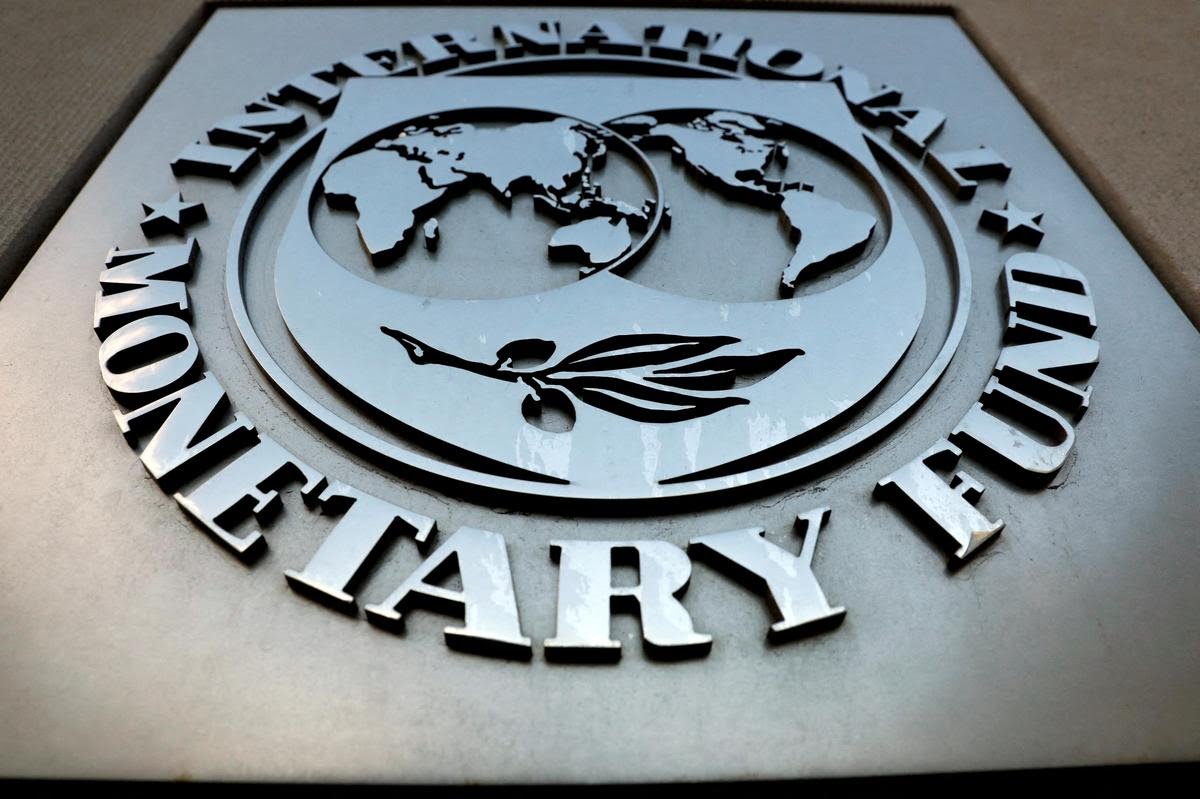
The International Monetary Fund (IMF) has assigned India a “C” grade for the quality of its national accounts data — including GDP, Gross Value Added (GVA), consumption and other key macroeconomic indicators.
Why the “C” grade?
The IMF noted that while India’s data are available with sufficient frequency and timeliness, and offer “broadly adequate granularity”, there are “methodological weaknesses” and use of an outdated base-year that limit the reliability of the data.
These shortcomings, in the view of IMF, “somewhat hamper surveillance” — meaning it becomes harder to confidently assess the underlying strength and trends of India’s economy.
What’s the broader context?
Despite the data-quality concerns, the IMF in its recent annual review reiterated that India’s economy remains robust: for 2024–25, India’s real GDP growth was 6.5 percent, and for the first quarter of FY2025/26 it surged to 7.8 percent.
At the same time, the IMF raised its forecast for India’s GDP growth in FY2025–26 to 6.6 percent, citing strong domestic demand and resilience in the face of external headwinds.
Why the grade matters
A “C” grade signals that some of the macro-data underpinning economic policymaking, global comparisons, and investor assessments may be less reliable than ideal. Given that GDP, consumption, and investment numbers guide major decisions — both within India and abroad — such a rating can create uncertainty about how confidently one can interpret India’s recent economic performance.
What could improve going forward
The IMF’s review points to a need for methodological updates — including newer base years, improved measurement methods, and enhanced alignment across different data components (GDP, GVA, consumption etc.) — to strengthen the credibility and usefulness of national accounts.
Even with strong growth numbers, the “C” grade serves as a caution: while headline GDP growth looks healthy, analysts and policymakers should treat the data — especially long-term trends or fine-grained breakdowns with some caution until