
Source NDTV
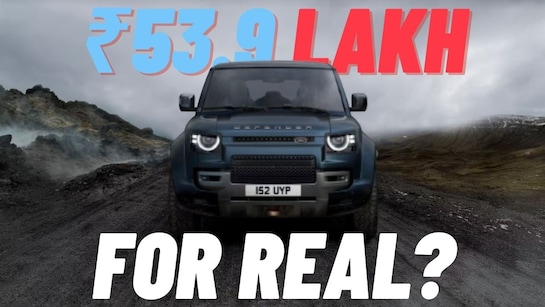
As negotiations over the long-awaited India-EU Free Trade Agreement (FTA) gather momentum, the Indian auto market is buzzing with one big question: will premium European SUVs like the Land Rover Defender become significantly cheaper—and could they even undercut popular models such as the Toyota Fortuner?
The excitement stems from reports that India may sharply reduce import duties on cars from the European Union under the proposed FTA. At present, fully built imported vehicles attract customs duties of up to 100% or more, making luxury SUVs far more expensive for Indian buyers. A duty cut could, in theory, bring down prices substantially.
Why the Defender Is in Focus
The Land Rover Defender, manufactured by Jaguar Land Rover (JLR), has become a status symbol in India despite its steep price tag, which currently starts well above ₹90 lakh (ex-showroom). In contrast, the Toyota Fortuner—assembled locally—starts at around ₹33 lakh, making it a far more accessible option in the premium SUV segment.
Speculation suggests that if import duties are slashed to around 40% or lower, European models like the Defender could see price reductions of 20–30%. This has led to bold claims that the Defender might come close to, or even rival, the Fortuner’s pricing.
Reality Check: Price Gap Still Likely
Industry experts, however, urge caution. Even with duty reductions, the Defender is unlikely to become cheaper than the Fortuner. Factors such as higher manufacturing costs, advanced technology, premium interiors, and brand positioning mean the Defender will remain a luxury offering. Logistics costs, dealer margins, and GST will also continue to keep prices elevated.
At best, analysts say, the Defender could become more competitively priced against entry-level luxury SUVs, narrowing the gap but not eliminating it. The Fortuner, with its local assembly, strong resale value, and reputation for reliability, will likely retain its price advantage.
Impact on Indian Auto Market
If the India-EU FTA goes through, the biggest impact may be felt in the broader premium and luxury car space rather than the mass premium SUV segment. German and British brands could benefit from improved volumes, while Indian and Japanese manufacturers may face increased competition.
For consumers, the deal promises more choices and potentially better value. But the idea of a Land Rover Defender undercutting a Toyota Fortuner remains, at least for now, more hype than reality.
As negotiations continue, all eyes will be on the final terms of the FTA—and how far they actually shift the balance in India’s highly competitive SUV market.









