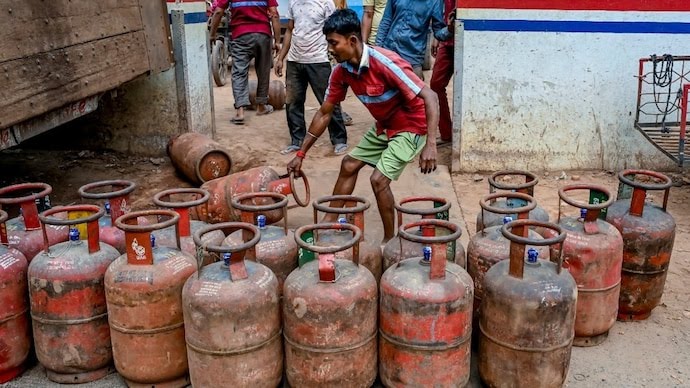
India has invoked the provisions of the Essential Commodities Act amid growing concerns over the availability of Liquefied Petroleum Gas, a key household cooking fuel used by millions across the country. The move aims to ensure stable supply, prevent hoarding, and control prices during a period of uncertainty in global energy markets.
Government officials indicated that the decision was taken as a precautionary step following disruptions in international energy supplies and rising demand domestically. By invoking the Act, authorities gain the power to regulate the production, supply, and distribution of essential goods such as LPG. It also allows the government to impose stock limits on companies and dealers to stop black-marketing or artificial shortages.
Under the law, the central government and state administrations can monitor LPG storage levels, control transportation and distribution channels, and take action against traders or suppliers found hoarding the commodity. Violations of the Act can result in penalties, fines, or imprisonment.
Officials said the measure is intended to protect consumers and ensure uninterrupted cooking gas availability for households, particularly those relying on subsidized LPG cylinders. The government has also asked refineries and suppliers to increase output and improve distribution logistics to maintain adequate supply across the country.
Energy experts say the step is largely preventive, designed to maintain market stability and reassure consumers. While there have been concerns over supply constraints due to global tensions affecting fuel trade routes, authorities maintain that India’s overall LPG stock levels remain under close monitoring.
The government emphasized that invoking the Essential Commodities Act does not necessarily mean an immediate shortage but is a mechanism to maintain strict control over essential resources and ensure fair distribution during uncertain times.