
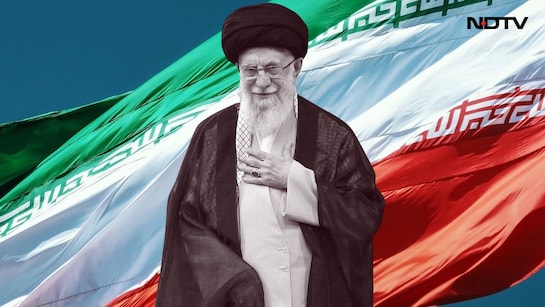
Source NDTV
New Delhi, March 2, 2026 — India has so far not issued a formal condemnation or tribute following reports that Iran’s Supreme Leader Ayatollah Ali Khamenei was killed in joint U.S.–Israeli airstrikes over the weekend — a stance that has sparked debate both domestically and internationally.
Despite global reactions — with countries like China and Russia condemning the killing as a violation of international law — New Delhi has maintained a measured diplomatic position focused on calls for restraint and de-escalation rather than unequivocal denunciation of the attack.
Diplomacy Before Declaration
India’s refusal to explicitly condemn the killing appears rooted in a broader strategy of cautious diplomacy amid an increasingly volatile West Asian conflict. Government officials have instead emphasised the urgent need for peace and dialogue as tensions between Iran, Israel, and the United States escalate.
Prime Minister Narendra Modi has held phone calls with key regional leaders, including the President of the UAE, to urge an early end to hostilities — reinforcing New Delhi’s priority of protecting Indian citizens and economic interests in the region.
External Affairs Minister S. Jaishankar and Indian diplomats have been in contact with counterparts across the Gulf, Israel, and Iran to monitor the situation and ensure the safety of the roughly 10 million Indians working in the Middle East — reflecting Delhi’s focus on citizen security over taking sides in the conflict.
Political Backlash at Home
India’s political opposition has criticised the government’s silence. Leaders from major parties have labeled it a betrayal of India’s traditional foreign policy values and called on New Delhi to clarify its stance publicly. Some lawmakers argue that ignoring the killing of a head of state undermines India’s moral authority on the global stage.
Meanwhile, various opposition figures — including Priyanka Gandhi, Asaduddin Owaisi and Omar Abdullah — have individually condemned the U.S.–Israel strikes, calling them “despicable” or unlawful, and stressed the need for peace rather than escalation.
Domestic Reactions and Community Sentiment
Across India, Shia Muslim communities have held protests and mourning marches — particularly in places such as Lucknow, Jammu & Kashmir, and Jaipur — underscoring the emotional and religious significance the Iranian leader held for many.
At the same time, security forces in regions such as the Kashmir Valley have had to respond to demonstrations, highlighting the internal tensions triggered by the overseas incident.
Balancing Act in Foreign Policy
Analysts suggest that India’s stance reflects a delicate balancing act — maintaining ties with both Iran and key Gulf partners (many of whom host large Indian expatriate populations), while also navigating its growing strategic partnership with Israel and longstanding relationships with Western nations.
New Delhi’s reluctance to take a definitive public position on the killing signals a careful approach aimed at protecting national interests, ensuring the safety of Indian nationals abroad, and avoiding broader entanglement in a regional conflict that risks drawing in multiple powers.









