Source The Hindu
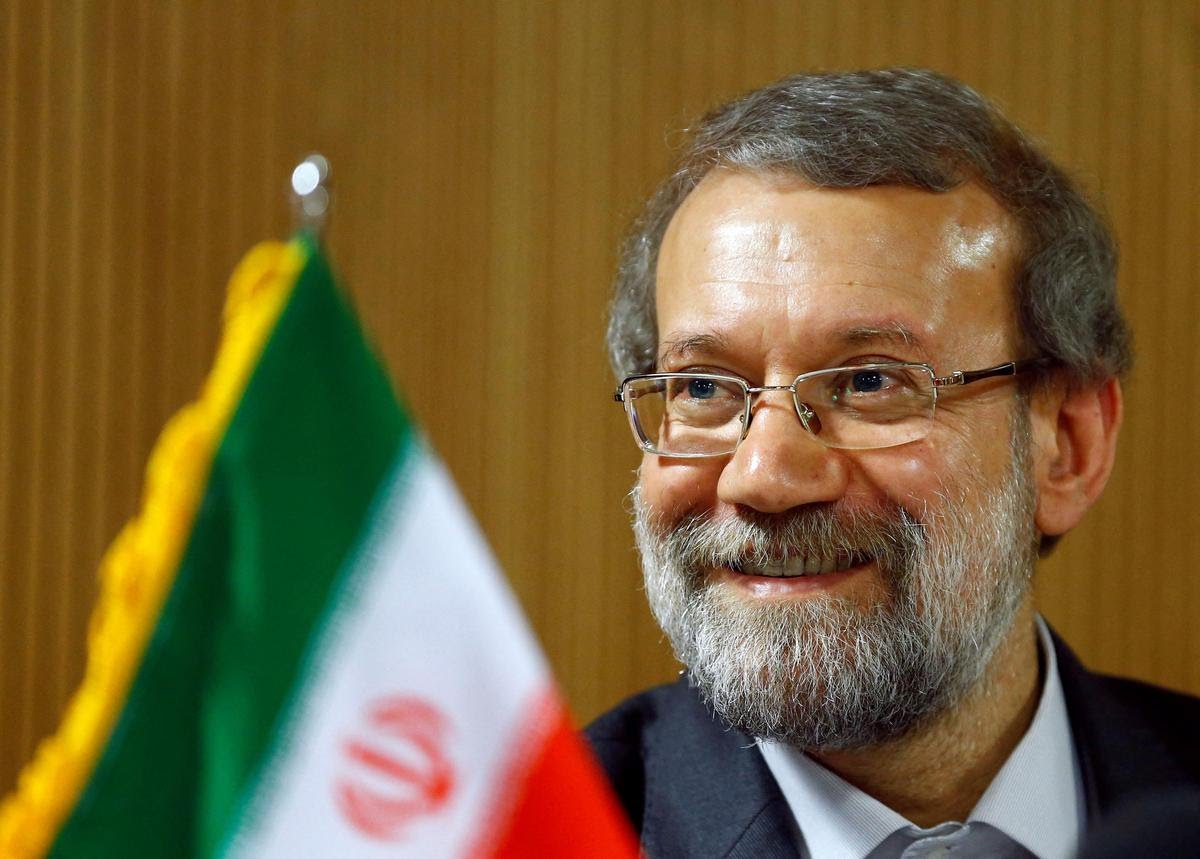
Tehran, March 18, 2026: Iran’s Foreign Minister Abbas Araghchi has asserted that the killing of senior leader Ali Larijani will not destabilise the country, even as the Islamic Revolutionary Guard Corps (IRGC) vowed to carry out decisive retaliation against those responsible.
Larijani, a key figure in Iran’s political and security establishment, was killed in an airstrike widely attributed to Israel amid the ongoing conflict in the region. His death marks one of the most significant losses for Iran’s leadership since the recent escalation involving the United States and Israel.
Despite the high-profile assassination, Araghchi emphasised that Iran’s governance and institutional structure remain intact. He stated that such attacks would not weaken the country, underscoring Tehran’s ability to maintain stability during times of crisis. His remarks appear aimed at reassuring both domestic and international audiences amid fears of internal disruption.
However, the tone from Iran’s military establishment has been far more aggressive. The IRGC issued strong warnings, pledging “revenge” and hinting at large-scale military action. Officials signalled that any response would be calculated but severe, targeting those deemed responsible for the strike.
The killing has further intensified an already volatile situation in the Middle East. Iran has previously responded to similar incidents with missile and drone attacks, raising concerns about a broader regional conflict.
Analysts suggest that while Iran’s political system is unlikely to collapse due to the loss of a single leader, the assassination could harden the country’s stance and strengthen the influence of military factions, particularly the IRGC.
As tensions continue to rise, global powers have called for restraint, warning that further escalation could have serious geopolitical and economic consequences, especially in critical regions like the Strait of Hormuz.
Conclusion: While Iran projects resilience in the face of leadership losses, the promise of retaliation from its powerful military wing signals that the crisis is far from over, with the potential for further escalation looming large.