
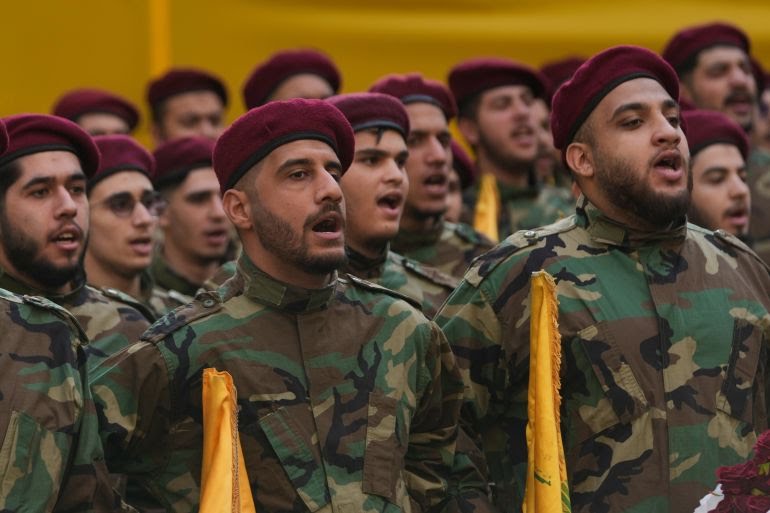
Source Aljajeera
In a significant political and security development, Lebanon’s Prime Minister has announced a ban on the military activities of Hezbollah after a recent cross-border attack on Israel heightened regional tensions.
The decision comes amid mounting international pressure and fears of a broader escalation along the volatile frontier between Lebanon and Israel. The Prime Minister stated that the Lebanese government is committed to asserting state authority over all armed activities within its territory and preventing any group from independently engaging in military operations that could drag the country into conflict.
Hezbollah, the powerful Iran-backed political and militant group based in Lebanon, has long maintained an armed wing separate from the Lebanese Armed Forces. The group claimed responsibility for the latest attack targeting Israeli positions across the border, prompting swift retaliatory measures from Israel and raising concerns of a wider confrontation.
Government officials in Beirut said the move aims to protect Lebanon’s stability, which has been strained by years of economic crisis, political deadlock, and security challenges. The Prime Minister emphasized that Lebanon cannot afford another destructive conflict and called for all parties to respect national sovereignty and international law.
Israel, which has repeatedly warned against Hezbollah’s military build-up near its northern border, has not yet formally responded to the Lebanese government’s announcement. However, security analysts suggest the ban could signal an attempt by Beirut to de-escalate tensions and reassure the international community.
Hezbollah has not immediately commented on the government’s directive. The group wields significant political influence in Lebanon’s parliament and cabinet, making enforcement of the ban a complex and potentially contentious process.
The situation remains fluid as diplomatic efforts intensify to prevent further violence. Regional observers note that the effectiveness of the ban will depend on the government’s ability to implement it without triggering internal political unrest.
The development marks a critical moment for Lebanon as it navigates the delicate balance between internal politics and external pressures in an increasingly unstable Middle East landscape.









