Source The Hindu
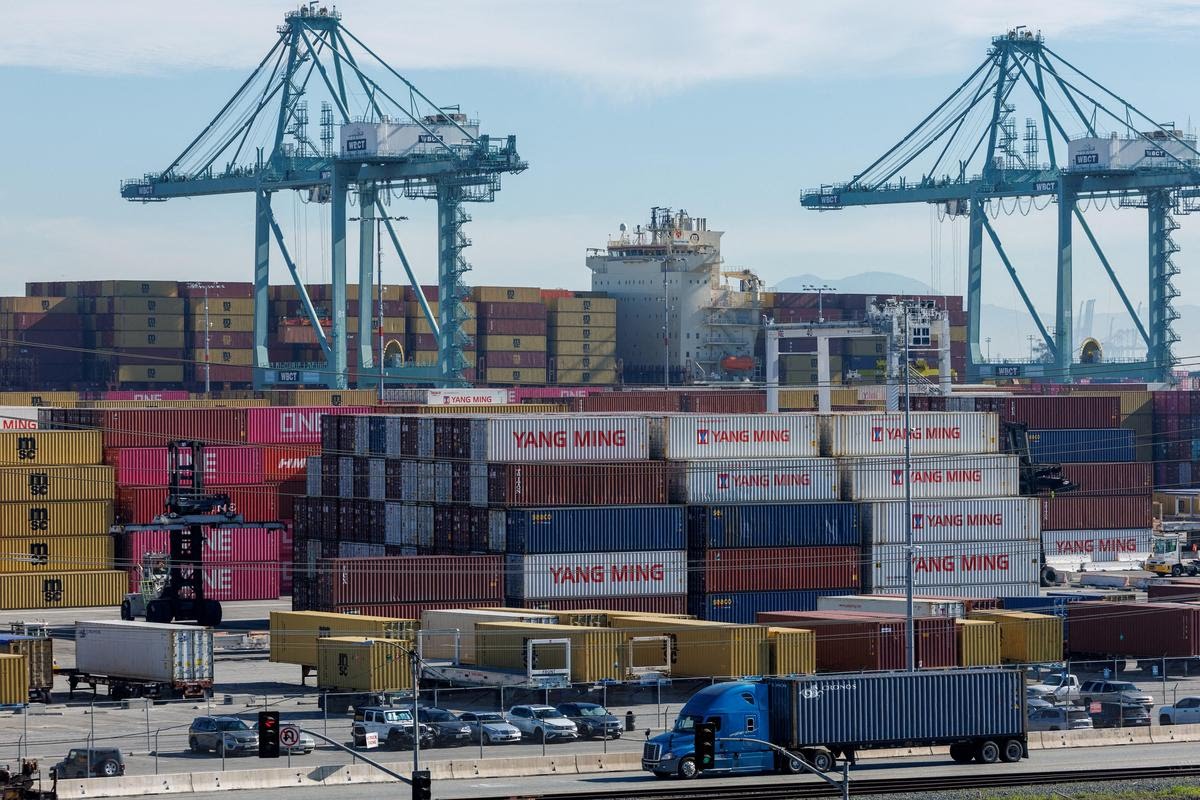
WASHINGTON — U.S. Customs and Border Protection (CBP) confirmed Monday that it will officially stop collecting a sweeping array of import duties starting February 24, 2026, following a landmark Supreme Court ruling that found the levies unconstitutional.
The move marks a dramatic reversal for the administration’s trade agenda. In a 6-3 decision issued last Friday, the Supreme Court ruled that the president exceeded executive authority by using the International Emergency Economic Powers Act (IEEPA) to bypass Congress and unilaterally impose broad-based tariffs.
The Midnight Deadline
In a notice sent to shippers via the Cargo Systems Messaging Service, CBP announced it will de-activate all tariff codes associated with the IEEPA-related orders at 12:01 a.m. EST on Tuesday.
While the court struck down the duties on Friday, importers reported that collections continued through the weekend. CBP has not provided a formal explanation for the three-day delay in implementation, nor has it clarified the process for potential refunds.
Billions in Limbo
The stakes for the U.S. Treasury and global corporations are massive. Analysts from the Penn-Wharton Budget Model estimate that the invalidated tariffs generated more than $500 million per day in revenue.
Total Revenue at Risk: Approximately $175 billion collected since 2025 is now subject to potential refund claims.
Affected Goods: The ruling specifically targets “reciprocal” tariffs and duties aimed at trade partners including China, India, and the European Union.
A Shifting Legal Landscape
Chief Justice John Roberts, writing for the majority, noted that the power to tax and levy duties resides strictly with Congress. He argued that the executive branch’s interpretation of the word “regulate” in the 1977 IEEPA statute could not be stretched to include the independent power to impose taxes.
However, the relief for importers may be short-lived. Even as the IEEPA duties are retired, the administration is reportedly moving to implement a new 15% global tariff under different legal authorities to fill the fiscal and policy gap left by the court’s decision.
Note to Importers: This ruling does not affect tariffs imposed under Section 232 (National Security) or Section 301 (Unfair Trade Practices), which remain in full effect.