
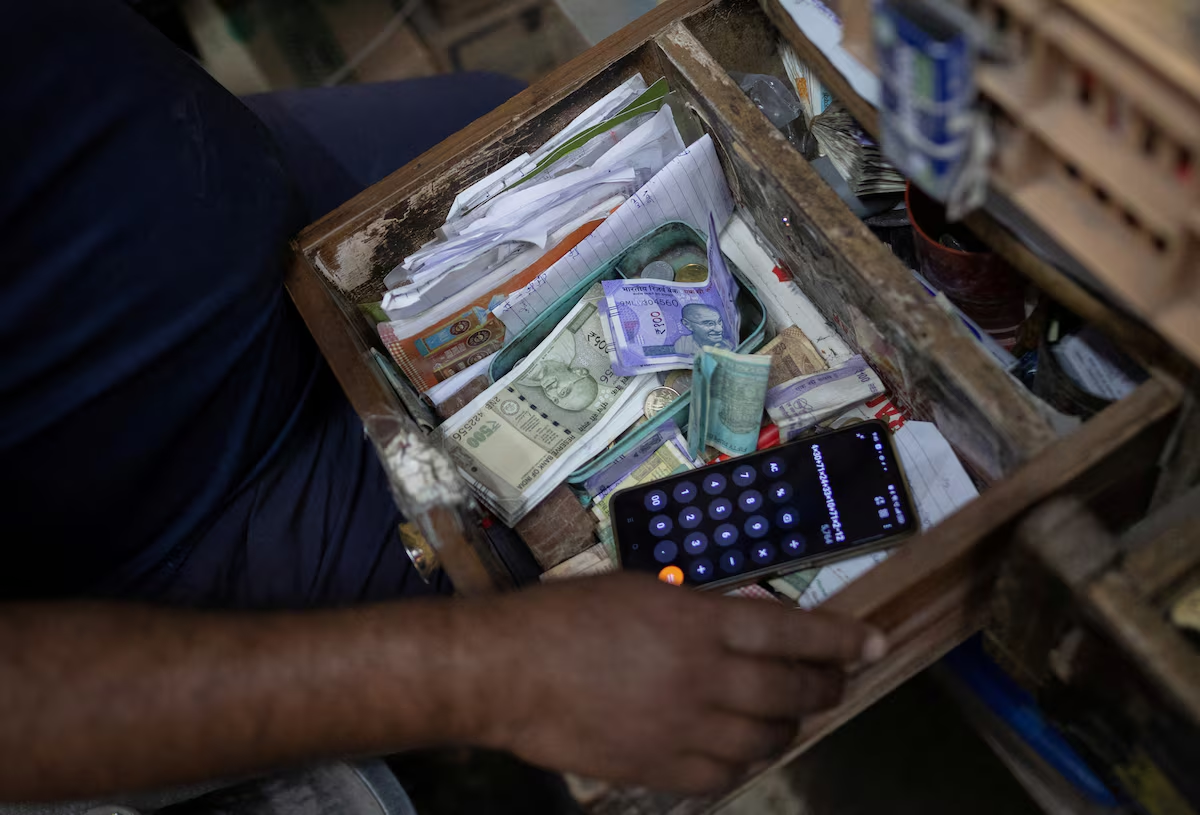
Source Reuters
MUMBAI — The Indian rupee plunged to a historic low on Friday, March 13, 2026, as the escalating conflict in West Asia sent shockwaves through global energy markets. The local currency weakened to an intra-day low of 92.49 against the U.S. dollar, surpassing the previous record of 92.36 set just a day earlier.
The rupee eventually settled at 92.46, marking a 0.7% decline for the week. Market analysts point to a “perfect storm” of geopolitical and economic factors that have left the currency vulnerable despite suspected intervention by the Reserve Bank of India (RBI).
Key Drivers of the Slide
The sudden depreciation is being fueled by three primary pressures:
Soaring Crude Prices: Brent crude surged past $100 per barrel this week following reports of tanker strikes and the potential closure of the Strait of Hormuz. As India imports over 85% of its oil, higher prices directly inflate the trade deficit.
Offshore Dollar Bids: Traders reported intense pressure from the non-deliverable forwards (NDF) market. Speculative “arbitrage” between offshore and local markets has increased, with investors wagering against the rupee’s stability.
Foreign Capital Flight: Foreign Institutional Investors (FIIs) have pulled nearly $5 billion out of Indian equities so far in March, seeking the safety of the greenback as global risk appetite evaporates.
Impact on the Domestic Economy
The weakening currency is already reverberating through India’s financial sectors. The Nifty 50 index fell 2% on Friday, slipping into correction territory, while the Sensex shed over 900 points.
Economists warn of “imported inflation,” as the rising cost of dollar-denominated imports like oil and electronics could force the RBI to maintain a hawkish stance on interest rates.
“The rupee has become the primary shock absorber for the economy in this crisis,” noted a senior economist at Standard Chartered. “Without significant de-escalation in the Middle East, we could see the currency testing the 95 level.”
What’s Next for the Rupee?
While the RBI has been active in selling dollars to prevent a “runaway” depreciation, the sheer volume of global volatility remains a challenge. Investors will be closely monitoring the U.S. GDP data and further developments in the West Asia conflict for cues on the rupee’s trajectory in the coming week.









