Source The Hindu
NEW DELHI — As escalating conflict in West Asia continues to rattle global markets, Russia has formally offered to ramp up its exports of crude oil and liquefied natural gas (LNG) to India. The proposal aims to provide a stable energy alternative for New Delhi as traditional supply routes, including the critical Strait of Hormuz, face increasing disruptions.
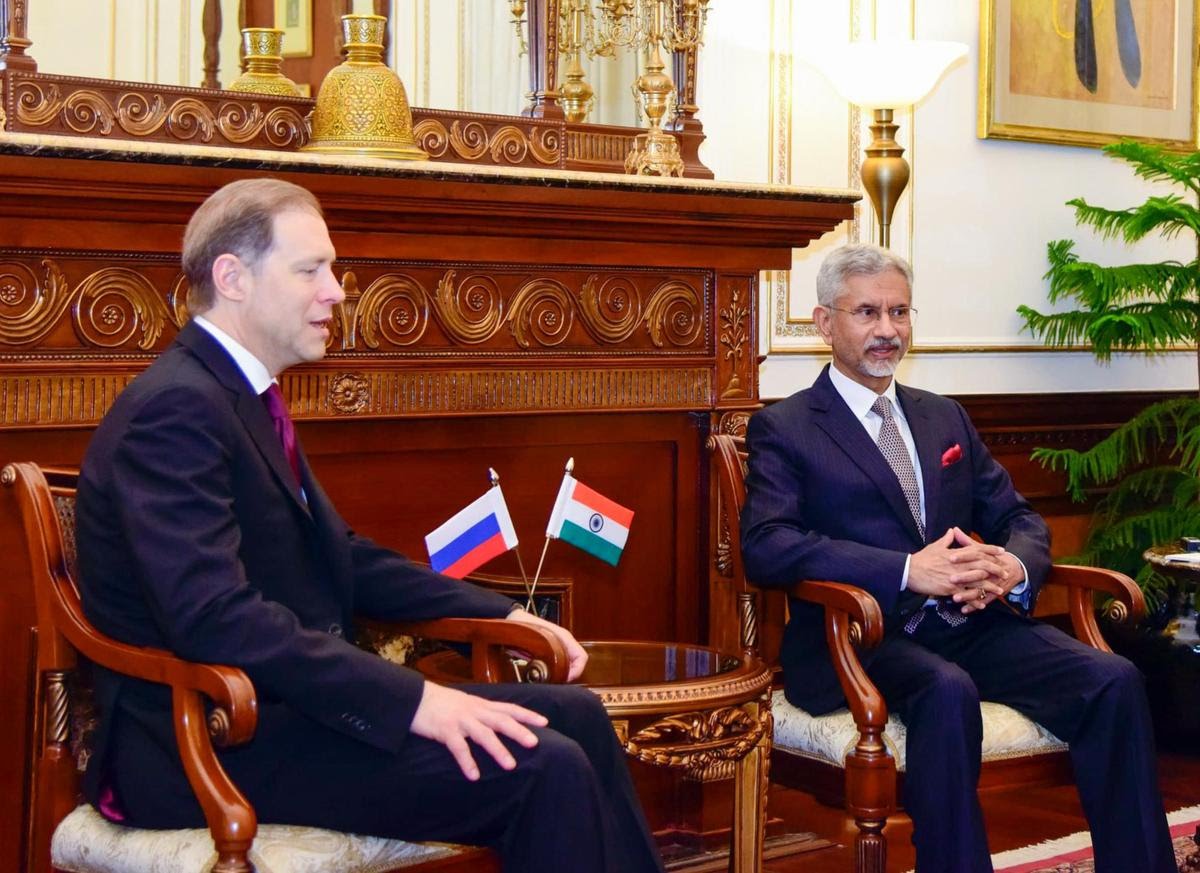
The offer was extended by Russia’s First Deputy Prime Minister Denis Manturov during a high-level visit to the Indian capital on Thursday. Manturov held a series of strategic meetings with Prime Minister Narendra Modi, External Affairs Minister S. Jaishankar, and National Security Advisor Ajit Doval.
Anchoring Energy Security
According to a readout from the Russian Embassy, Manturov confirmed that Russian energy giants possess the necessary “capacity to steadily increase supplies” to meet India’s burgeoning demand. This comes at a pivotal moment; nearly 20% of the world’s oil and LNG passes through the Strait of Hormuz, a corridor currently under severe strain due to the ongoing regional crisis.
“Russia sees significant prospects for deepening engagement with India in this sphere,” the statement noted, highlighting energy as a central pillar of the bilateral relationship.
Key Takeaways from the High-Level Talks
The discussions, held under the framework of the India-Russia Inter-Governmental Commission (IRIGC-TEC), covered more than just fuel:
Trade Targets: Both nations reaffirmed their commitment to reaching a $100 billion bilateral trade turnover by 2030.
Agricultural Support: Russia reported a 40% increase in fertilizer exports to India over the past year and discussed a joint project for urea production.
Strategic Sectors: The two sides explored new frontiers in critical minerals, civil nuclear energy (Kudankulam project), and space exploration.
Market Access: Officials discussed “specific steps” to streamline mutual settlements and improve supply chain logistics to bypass global financial hurdles.
Context of the Partnership
While India’s reliance on Russian crude had slightly dipped earlier this year—falling to roughly 19.3% in January 2026—the renewed volatility in the Middle East has shifted the calculus back toward Moscow.
“The widening West Asia war has made energy security a top priority for New Delhi,” said a senior official familiar with the talks. “By offering a steady flow of oil and LNG, Russia is positioning itself as an indispensable partner in navigating this global uncertainty.”
The visit signals a robust “all-weather” alignment, as both nations look to insulate their economies from geopolitical shocks through diversified trade and deeper industrial cooperation.