
Source NDTV
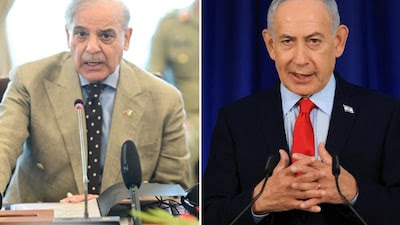
Tensions in the Middle East remain high after Israeli Prime Minister Benjamin Netanyahu stated that Lebanon is not included in the current ceasefire understanding, appearing to contradict remarks made by Pakistani Prime Minister Shehbaz Sharif.
Speaking during a media briefing, Netanyahu emphasized that Israel’s ceasefire commitments are limited in scope and do not extend to its northern border with Lebanon. He underlined that any threats emerging from Lebanese territory, particularly involving armed groups, would be addressed independently of ongoing ceasefire arrangements elsewhere in the region.
Earlier, Shehbaz Sharif had welcomed reports of a broader ceasefire, suggesting it could help stabilize multiple conflict zones, including Lebanon. However, Netanyahu’s clarification indicates that no such comprehensive agreement currently exists, highlighting a divergence in international understanding of the situation.
The development comes amid continued cross-border tensions between Israel and armed factions operating from southern Lebanon. Israeli officials have repeatedly warned that they will respond firmly to any aggression originating from across the northern frontier.
Analysts believe the differing statements reflect the complex and fragmented nature of ceasefire negotiations in the region, where multiple actors and overlapping conflicts make unified agreements difficult to achieve.
As diplomatic efforts continue, global leaders are urging restraint and calling for clearer communication to prevent further escalation. The situation remains fluid, with the possibility of renewed hostilities posing a significant concern for regional stability.









