Source The Hindu
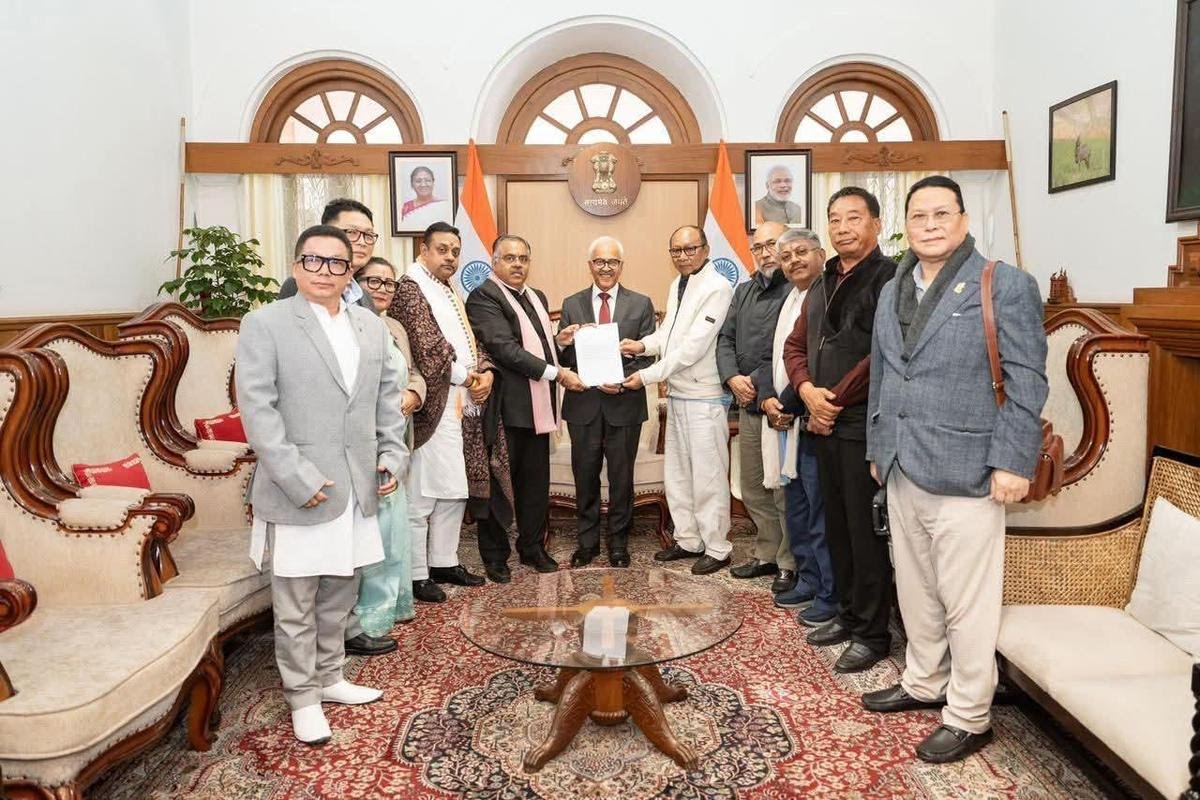
IMPHAL — In a landmark political development aimed at restoring democratic governance in the Northeast, Yumnam Khemchand Singh was sworn in as the Chief Minister of Manipur on Wednesday, February 4, 2026. The ceremony took place at Lok Bhavan shortly after the Union Government officially revoked President’s Rule, which had been in place for nearly a year.
The Return of Elected Governance
President Droupadi Murmu issued a formal proclamation earlier today, revoking the central administration imposed on February 13, 2025. The decision follows a period of “suspended animation” for the 60-member state assembly, which was triggered by the resignation of former CM N. Biren Singh amidst prolonged ethnic unrest.
The new government arrives with a clear mandate for reconciliation. In a move toward inclusivity, Khemchand Singh will lead a cabinet that includes two Deputy Chief Ministers representing different ethnic communities:
Nemcha Kipgen (BJP): Representing the Kuki-Zo community.
Losii Dikho (NPF): Representing the Naga community.
A Focus on Peace and “Viksit Manipur”
Following the oath-taking ceremony, Chief Minister Khemchand Singh emphasized a message of unity.
“Manipur consists of 36 communities, and these communities have always been the guardians of our state. Our priority is to bring a peaceful atmosphere through collective participation,” he stated.
Singh, a 62-year-old engineer and renowned Taekwondo black belt, previously served as the Speaker of the Manipur Assembly and a Cabinet Minister. His outreach to various ethnic groups during the recent crisis is seen as a pivotal reason for his selection as the NDA legislature party leader.
Key Highlights of the Transition
Feature Details
New Chief Minister Yumnam Khemchand Singh (BJP)
Deputy CMs Nemcha Kipgen & Losii Dikho
Revocation Date February 4, 2026
Legislative Status Assembly restored; tenure until 2027
Primary Goal Ethnic reconciliation and stability
The Road Ahead
The new administration faces the formidable task of rehabilitating thousands of displaced persons and bridging the deep-seated divide between the Meitei and Kuki-Zo communities. With the BJP holding 37 seats and enjoying the support of allies like the NPP and NPF, the government holds a comfortable majority to push through legislative reforms aimed at long-term peace.