Source The Hindu
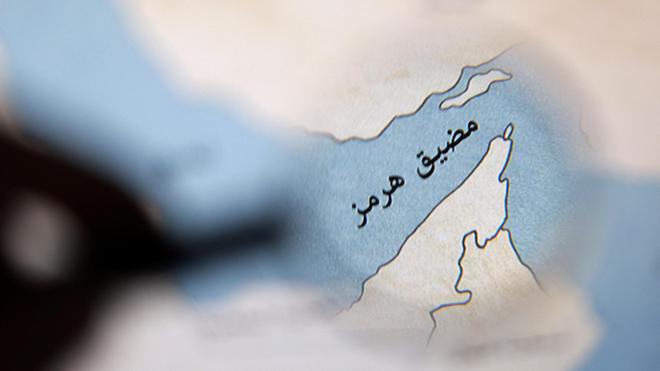
Tehran, April 6, 2026 — Iran’s Islamic Revolutionary Guard Corps (IRGC) has declared that the strategic Strait of Hormuz will never return to its previous status, signaling a major and potentially long-term shift in one of the world’s most critical maritime trade routes.
In a strongly worded statement, the IRGC Navy said it is finalizing operational plans to enforce what it described as a “new order” in the Gulf. Officials emphasized that conditions in the strait would “never return to former status,” particularly for the United States and Israel.
Proposed Restrictions and New Rules
Iranian authorities are reportedly considering sweeping changes to how the strait operates. These include imposing transit fees, restricting or banning passage for vessels linked to the U.S. and Israel, and placing limitations on countries that support sanctions against Tehran.
In recent weeks, Iran has already begun exerting tighter control over maritime traffic, allowing only limited vessel movement and, in some cases, introducing toll-based passage systems.
Global Impact and Rising Tensions
The disruption has had immediate global consequences. Oil shipments have been constrained, and energy markets have reacted sharply, with prices surging amid fears of prolonged instability.
The situation has further escalated due to strong rhetoric and threats from global leaders. Calls for reopening the strait have been met with defiance from Tehran, which insists on broader political and military concessions rather than temporary measures.
A Strategic Turning Point
Analysts view the IRGC’s latest statement as a sign that Iran is moving beyond short-term retaliation toward a structural transformation of the region’s maritime security framework. By asserting long-term control and redefining access, Tehran appears to be leveraging its geographic advantage to reshape geopolitical dynamics in the Gulf.
As diplomatic efforts continue, the future of the Strait of Hormuz remains uncertain—but Iran’s message is clear: the status quo is unlikely to return anytime soon.