Source The eurasian time
The United States has declined to provide Pakistan access to Link 22, its most secure next-generation military data-sharing network, underscoring Washington’s cautious approach to advanced defence technology transfers and its emphasis on strategic trust.
Link 22 is an advanced tactical data link system designed to replace the ageing Link 11 network and complement Link 16, which is already used by several allied air forces. The system enables real-time, encrypted sharing of critical battlefield information—such as aircraft positions, targeting data and threat assessments—across air, land and naval platforms, even in contested electronic warfare environments.
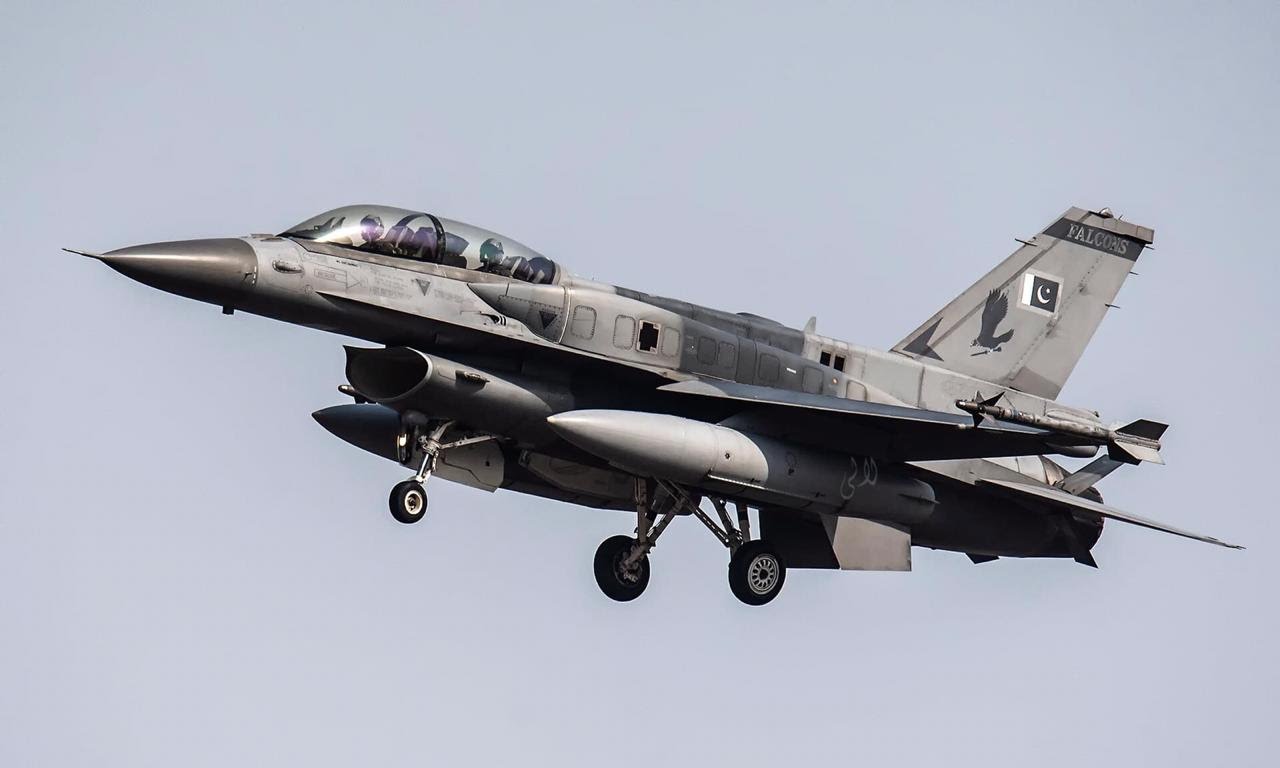
Despite operating U.S.-supplied F-16 fighter jets, Pakistan has not been granted access to Link 22. According to defence analysts, the U.S. limits the network to a small group of seven trusted allies due to its highly sensitive encryption architecture and its central role in modern, network-centric warfare.
Why Link 22 Is Highly Restricted
Unlike Link 16, which has been exported to dozens of partner nations, Link 22 features enhanced anti-jamming capabilities, improved beyond-line-of-sight communication and more secure encryption standards. These features make it particularly valuable in high-intensity conflicts involving advanced adversaries.
The U.S. and its allies are concerned that wider dissemination of the system could increase the risk of sensitive technologies being compromised, either through cyber espionage or intelligence-sharing with rival powers. As a result, access is limited to nations with long-standing defence partnerships, deep interoperability with NATO forces and a proven record of safeguarding classified military systems.
The Seven Trusted Allies
While the U.S. has not officially published a definitive list, defence sources indicate that Link 22 is primarily shared among core NATO members and close strategic partners, including the United Kingdom, Canada, France, Germany, Italy, Spain and the Netherlands. These countries are closely integrated with U.S. military planning and regularly participate in joint operations and exercises.
Implications for Pakistan
Pakistan’s exclusion from Link 22 highlights the broader limitations placed on its use of U.S.-origin military platforms. Washington has repeatedly stressed that Pakistan’s F-16 fleet is meant for counterterrorism and defensive purposes, not for altering regional military balances.
The decision also reflects enduring U.S. concerns about technology security, particularly given Pakistan’s defence ties with China and its history of operating a diverse mix of Western and Chinese military systems. Analysts say such overlaps raise the risk of sensitive data or technical insights being inadvertently exposed.
A Signal of Strategic Priorities
The restriction sends a clear signal about U.S. strategic priorities in the Indo-Pacific and beyond. While Washington continues limited military cooperation with Pakistan, it is reserving its most advanced, network-centric warfare capabilities for allies it considers indispensable to collective defence and global security operations.
As modern air combat increasingly depends on secure, real-time data sharing rather than standalone platforms, access to systems like Link 22 has become a key marker of strategic trust—one that Pakistan, for now, remains outside of.