
Source The Hindu
Islamabad/Kabul — Once bound by shared strategic interests and decades of uneasy cooperation, Pakistan and the Taliban administration in Afghanistan are now locked in their most serious confrontation since the Taliban returned to power in 2021. What began as diplomatic sparring and border skirmishes has escalated into sustained cross-border strikes, troop mobilisations and a breakdown in formal dialogue.
For years, Pakistan maintained close ties with the Afghan Taliban, viewing the group as a counterweight to Indian influence in Kabul and as a potential partner in stabilising its western frontier. However, relations began to sour after the Taliban takeover of Kabul in August 2021. Islamabad accused the Taliban-led government of failing to rein in the Tehreek-e-Taliban Pakistan (TTP), a militant outfit responsible for a wave of deadly attacks inside Pakistan.
Security officials in Islamabad say that TTP fighters have found safe havens across the porous Durand Line, a border long disputed by successive Afghan governments. The Taliban, meanwhile, deny harbouring militants targeting Pakistan and have repeatedly called for dialogue rather than military action.
Tensions intensified as Pakistan launched targeted airstrikes inside Afghan territory, claiming to hit TTP hideouts. Kabul condemned the strikes as violations of sovereignty and responded with artillery fire along border districts. In several incidents, civilians on both sides have reportedly been killed or displaced, further inflaming public opinion.
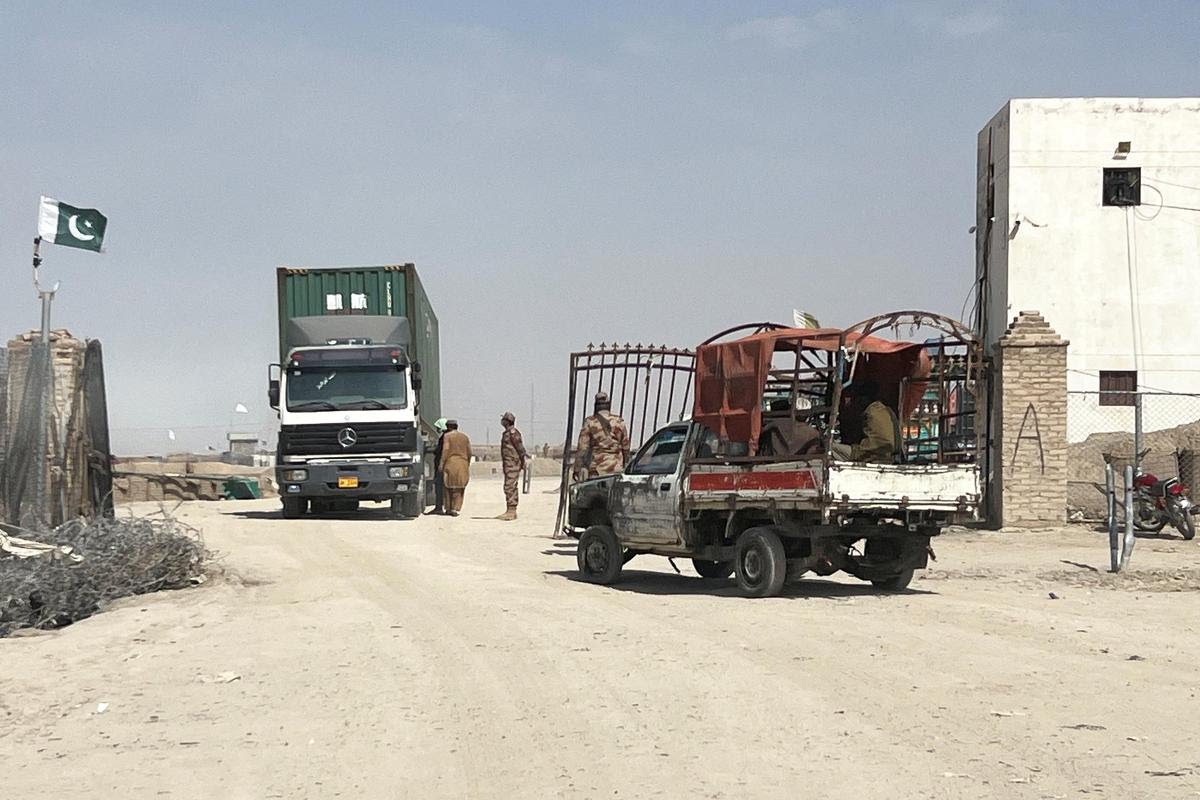
The deteriorating security environment has also affected trade and transit. Key crossings such as Torkham and Chaman have faced repeated closures, disrupting the movement of goods and people. Pakistan has tightened border controls and accelerated deportations of undocumented Afghan nationals, a move criticised by the Taliban authorities as coercive and destabilising.
Analysts say the core of the conflict lies in diverging expectations. Pakistan had hoped the Taliban would decisively curb anti-Pakistan militant groups. The Taliban, seeking to consolidate internal power and maintain ideological credibility, appear unwilling or unable to act against factions with whom they share historical and tribal links.
The situation has now reached what regional observers describe as “open hostilities,” with both sides deploying additional forces near sensitive border zones. While neither government has formally declared war, the pattern of retaliation and counter-retaliation suggests a dangerous spiral.
International actors, including China and Gulf states with stakes in regional stability, have urged restraint. However, without a credible mechanism to address the TTP issue and the long-standing dispute over the Durand Line, prospects for a swift de-escalation remain uncertain.
As violence simmers along the frontier, the former allies find themselves confronting the reality that shared history and strategic convenience are no longer enough to hold their fragile partnership together.









