Source NDTV
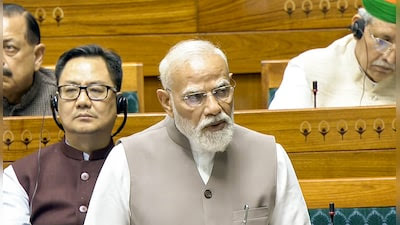
New Delhi — Prime Minister Narendra Modi on Monday reviewed India’s preparedness to deal with the economic and strategic fallout of the ongoing tensions in West Asia, drawing parallels with the challenges faced during the COVID-19 pandemic.
During a high-level meeting with senior officials, the Prime Minister emphasized the importance of resilience, self-reliance, and swift coordination—key lessons learned during the global health crisis. He highlighted how the disruptions caused by COVID-19 had exposed vulnerabilities in global supply chains, particularly in energy, food, and critical goods, and stressed that similar risks could emerge from escalating geopolitical conflicts.
The ongoing instability in the Middle East has raised concerns over crude oil prices, shipping routes, and the safety of Indian nationals in the region. India, which relies heavily on energy imports from West Asia, is closely monitoring developments to mitigate any adverse impact on its economy.
Officials briefed the Prime Minister on contingency plans, including diversifying energy sources, ensuring adequate reserves, and maintaining essential supply chains. Special attention was also given to the Indian diaspora in the region, with evacuation and safety protocols under review if the situation worsens.
Modi reiterated that India must remain proactive rather than reactive, urging ministries to coordinate effectively and ensure preparedness across sectors. He also stressed the importance of clear communication and public awareness, drawing from the government’s experience in managing the pandemic.
The meeting underscored India’s focus on safeguarding its economic stability while navigating global uncertainties, with a renewed emphasis on preparedness shaped by past crises.