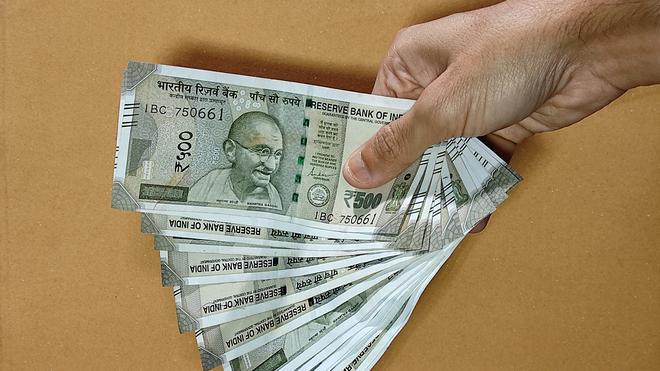
Source The Hindu
MUMBAI – The Indian rupee plummeted to a fresh all-time closing low of ₹91.64 against the US dollar on Wednesday, January 21, 2026. The domestic currency fell by 67 paise from its previous close, marking its sharpest single-day decline in over two months as a wave of risk aversion swept through global financial markets.
The currency’s slide was fueled by a “perfect storm” of geopolitical tensions, sustained capital outflows, and a strengthening dollar index.
Key Factors Driving the Decline
Forex traders highlighted several critical pressures that weighed heavily on the local unit:
Geopolitical Friction: Tensions between the U.S. and Europe regarding the Greenland dispute have sparked fears of a NATO breakdown. This uncertainty has pushed investors toward safe-haven assets, primarily the US dollar.
Foreign Fund Outflows: Foreign Institutional Investors (FIIs) remained net sellers in the domestic equity market, offloading shares worth over ₹2,900 crore in a single session.
Trade Uncertainties: Delays in the highly anticipated India-US trade agreement continue to keep the rupee vulnerable to external shocks.
Yen Carry Trade Unwinding: Rising bond yields in Japan have forced investors to exit emerging market positions to settle yen-denominated debts, further draining liquidity from Indian markets.
Market Impact and RBI Response
The rupee opened the session at 91.05 and touched an intraday low of 91.74 before recoverng slightly to close at 91.64. Analysts noted that while the Reserve Bank of India (RBI) has significant forex reserves to manage volatility, the aggressive pace of the depreciation has made it difficult for intermittent interventions to establish a firm floor.
“The pace of this depreciation has been so aggressive that intermittent central bank interventions have struggled to provide a meaningful floor,” said Dilip Parmar, Research Analyst at HDFC Securities.
The fall of the rupee is expected to have a ripple effect on the Indian economy, particularly:
Imported Inflation: As the dollar strengthens, the cost of importing crude oil and electronics rises, potentially pushing up domestic inflation.
Export Competitiveness: On a positive note, a weaker rupee may provide a marginal boost to Indian exporters by making their goods cheaper in global markets.
Looking Ahead
Market strategists expect the rupee to remain under pressure in the near term, with eyes set on the 92.00 resistance level. Economic stability may depend on a breakthrough in trade negotiations or a cooling of global geopolitical rhetoric.