Source India Today
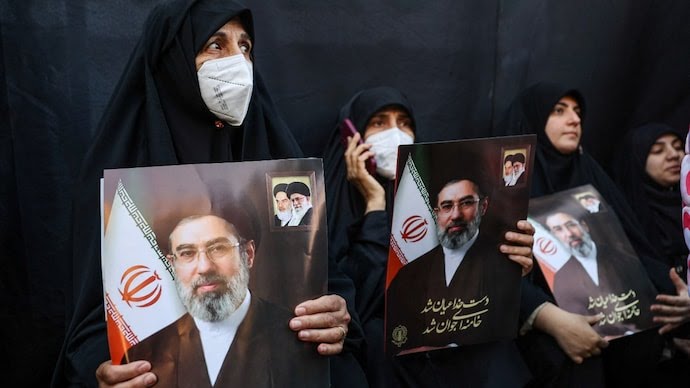
TEHRAN — In a move that has sent shockwaves through regional intelligence circles, Iranian state television has reportedly referred to the country’s newly elevated Supreme Leader, Mojtaba Khamenei, as the “Jaanbaz of the Ramadan War.” The choice of words has sparked intense global speculation that the 56-year-old cleric—who was named successor to his father, Ayatollah Ali Khamenei, just days ago—may have been seriously wounded in the escalating conflict with Israel and the United States.
A Title of Sacrifice
The term Jaanbaz is a highly specific Persian honorific meaning “one who has sacrificed their soul” or, more literally, an “injured war veteran.” Historically, the term was used for those wounded during the 1980s Iran-Iraq War.
However, state media broadcasters specifically linked the title to the “Ramadan War,” the Iranian regime’s designation for the current high-intensity conflict that began in late February 2026. This nuance suggests that Mojtaba’s injuries are not a relic of the past, but a result of recent strikes.
The “Shadow Prince” in Hiding
Since his father, Ayatollah Ali Khamenei, was killed in a joint U.S.-Israeli airstrike on February 28, Mojtaba has remained entirely out of the public eye. His elevation by the Assembly of Experts on March 8 occurred behind closed doors, and despite his official ascension to the highest office in the land, no new photographs or live video addresses have been released.
Israeli Intelligence: Reports from the Israel Defense Forces (IDF) suggest that Mojtaba was a primary target in a massive bunker-buster strike in central Tehran last Friday.
The Silent Transition: While President Pezeshkian and the IRGC have pledged total loyalty to the new leader, the lack of a public “victory speech” has only fueled rumors that he may be receiving medical treatment in a secure, subterranean facility.
Strategic Narrative or Physical Reality?
Analysts are divided on whether the “Jaanbaz” label indicates a life-threatening injury or is a calculated propaganda move.
“By labeling him a ‘Jaanbaz,’ the regime is attempting to build an immediate aura of revolutionary legitimacy and shared suffering,” says one regional security expert. “It transforms a potentially controversial hereditary succession into a narrative of heroic sacrifice.”
However, if the injuries are severe enough to keep the Supreme Leader incapacitated during a time of total war, it could lead to further instability within the Iranian command structure.