Source India Today
MUMBAI — Details have emerged regarding a high-stakes maritime “cat-and-mouse” game in the Arabian Sea, revealing how a sanctioned oil tanker linked to Iran managed to vanish from global tracking systems after entering Pakistan’s maritime zone, shortly before being intercepted by the Indian Coast Guard.
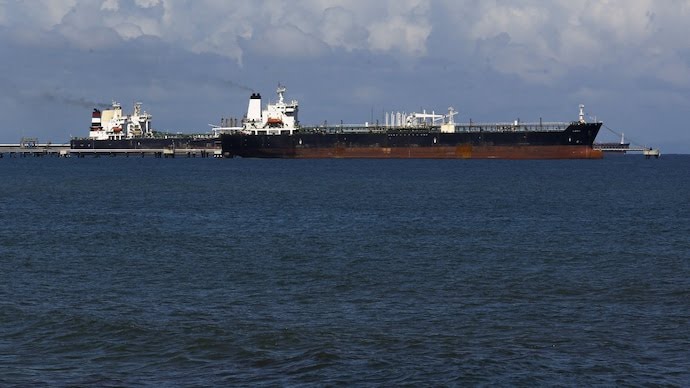
The vessel, identified as the MT Al Jafzia, was one of three tankers seized by Indian authorities approximately 100 nautical miles west of Mumbai earlier this month. According to investigative reports and FIR details, the ship utilized a sophisticated “dark” maneuver to mask its movement and cargo transfers.
The 11-Hour Blackout
On January 28, 2026, as the Al Jafzia crossed into Pakistan’s maritime boundary, it reportedly went completely “dark.” For roughly 11 hours, the vessel’s crew disabled its:
Automatic Identification System (AIS): The primary tracking transponder used by maritime authorities.
Very High Frequency (VHF) Radio: Essential for ship-to-shore and ship-to-ship communication.
Onboard Sensors: Digital signatures that help identify a vessel’s specific profile.
By silencing these systems, the tanker effectively became a “ghost ship,” allowing it to navigate undetected through sensitive waters and engage in unauthorized activity.
Spoofing and Shadow Operations
The investigation suggests that the blackout was not a technical failure but a calculated tactical move. Once the ship’s signal returned, it was allegedly broadcasting spoofing data—false voyage information and identity markers designed to mislead coastal surveillance.
Authorities believe this window was used for ship-to-ship (STS) transfers. In the Indian Exclusive Economic Zone (EEZ), investigators allege that approximately 30 metric tonnes of heavy fuel oil were unlawfully transferred to the Al Jafzia, while a sister vessel, the Stellar Ruby, received over 5,000 metric tonnes of bitumen.
To further complicate the trail, the Al Jafzia was found to be carrying a temporary registration certificate from Bamako, Mali, issued just days prior on January 30, and lacked mandatory insurance.
Regional Crackdown
The seizure of the Al Jafzia, along with the Stellar Ruby and Asphalt Star, marks a significant escalation in India’s maritime enforcement. While the National Iranian Oil Company has denied any connection to the vessels, tracking data from LSEG confirms that the ships have a history of transporting Iranian fuel.
The Indian Coast Guard has since intensified its presence in the region, deploying:
55 ships for round-the-clock patrol.
10 to 12 aircraft for aerial surveillance and data-pattern analysis.
This operation highlights the growing challenge of the “shadow fleet”—sanctioned vessels that use false flags and digital deception to move oil across international borders.