
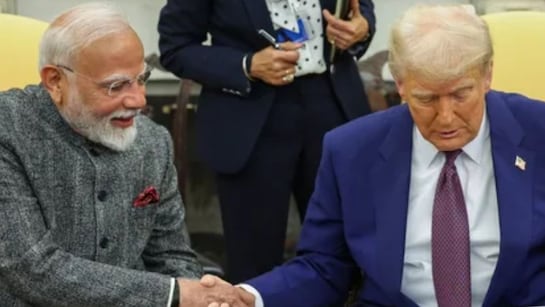
Source NDTV
New Delhi: A recent tariff order linked to former U.S. President Donald Trump has sparked fresh debate among trade experts, with analysts suggesting the move could unintentionally strengthen India’s hand in upcoming negotiations with the United States.
The order — aimed at protecting domestic industries — proposes higher duties on selected imports, particularly from countries with significant trade surpluses. While originally framed around strategic economic competition, economists say the broader ripple effects may reshape ongoing trade discussions between Washington and India.
Pressure on Supply Chains
The tariff changes are expected to increase costs for American companies reliant on global supply chains. Several U.S. manufacturers depend on competitively priced components and raw materials from India, especially in pharmaceuticals, chemicals, and engineering goods. Higher tariffs could therefore push American firms to lobby their government for more flexible trade arrangements.
“Whenever protectionist measures raise domestic costs, the negotiating partner gains leverage,” said a trade policy expert familiar with bilateral talks. “India now has a stronger case to demand concessions in services and technology access.”
Opportunity in Trade Negotiations
New Delhi has been seeking improved market access for IT services, textiles, and agricultural products. Officials believe Washington may soften its stance in order to avoid disruptions to American industries and consumers.
In particular, Indian exporters of generic medicines — a critical component of the U.S. healthcare system — could gain bargaining power. Analysts say tariffs that indirectly affect healthcare costs often become politically sensitive in the U.S., encouraging compromise.
Strategic Context
The development comes amid efforts by both nations to deepen economic ties as part of broader geopolitical cooperation in the Indo-Pacific region. Trade talks had previously stalled over digital taxation rules, market access barriers, and visa policies.
Now, policy observers argue the tariff order may accelerate negotiations rather than hinder them. If American businesses face rising import costs, Washington may prioritize a balanced agreement sooner than expected.
What Happens Next
Officials from both sides are expected to resume formal discussions later this year. While no immediate policy shift has been announced, trade diplomats privately acknowledge the tariff move has changed the negotiating dynamics.
For India, the moment presents a rare opportunity: global protectionism in one capital could translate into economic advantage in another.









