Source Wion
As the regional conflict intensifies, a new weapon has taken center stage in Tehran’s arsenal, earning a lyrical but lethal nickname from defense analysts: the “Dancing Missile.”
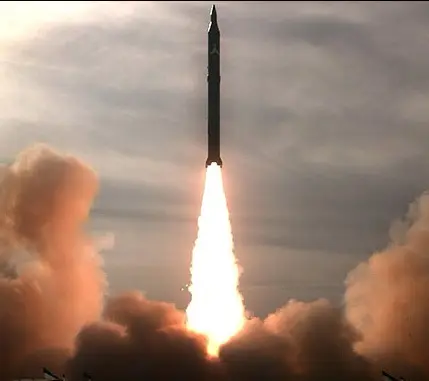
During recent retaliatory strikes against U.S. and Israeli positions on March 16, 2026, Iran deployed its advanced Sejjil-2 ballistic missile. While Iran possesses a vast array of missiles, the Sejjil (meaning “Baked Clay”) represents a significant technological leap that specifically challenges modern air defense networks like the Arrow and Patriot systems.
The “Dancing” Threat: Why the Sejjil is Different
The nickname “dancing missile” isn’t a reference to its appearance on the launchpad, but rather its unpredictable behavior during the terminal phase of its flight.
1. Erratic Maneuverability
Unlike standard ballistic missiles that follow a predictable, parabolic arc—similar to a ball being thrown—the Sejjil-2 features a maneuverable re-entry vehicle (MaRV). As it re-enters the atmosphere at hypersonic speeds, it can “weave” or shift its trajectory.
The “Dance”: These mid-flight adjustments force interceptor systems to constantly recalculate the point of impact.
The Result: By the time a defense system like the Iron Dome or Arrow-3 locks onto a predicted path, the missile has already shifted, often causing the interceptor to miss its target entirely.
2. Solid-Fuel Propulsion
Older Iranian missiles, like the Shahab series, rely on liquid fuel. This requires a long, vulnerable fueling process right before launch, which can be spotted by satellites.
Rapid Launch: The Sejjil uses two-stage solid fuel. It can be stored fully fueled for years and launched in minutes.
Mobility: It is road-mobile, meaning it can be moved on a truck, fired, and relocated before a counter-strike can be initiated.
3. High-Speed Penetration
Traveling at speeds estimated between Mach 12 and Mach 15, the Sejjil-2 cuts the travel time from central Iran to Tel Aviv to roughly seven minutes. This compressed timeline leaves almost no room for human or even automated error in defense responses.
Technical Specifications at a Glance
Feature Specification
Range 2,000 – 2,500 km
Payload ~700 kg (Conventional or potentially Nuclear)
Length 18 meters
Propulsion Two-stage Solid Propellant
Guidance GPS and Inertial Navigation
A Strategic Shift
The use of the Sejjil-2 marks a transition for Iran from using “proxy” forces to utilizing its most sophisticated indigenous assets. Military analysts suggest that by deploying the “dancing missile,” Tehran is sending a clear message: even the world’s most advanced multi-layered defense shields may no longer provide total immunity.
As the 2026 Iran War continues to reshape the Middle East, the unpredictability of the Sejjil-2 remains one of the most pressing concerns for Western and Israeli military planners.