
Source first post
Amid escalating tensions in the Middle East, Donald Trump has announced a five-day pause on U.S. strikes targeting Iran’s energy infrastructure, claiming that “productive conversations” are underway to resolve the ongoing conflict. The move is being viewed as a potential opening for diplomacy, though uncertainty continues to surround the existence and scope of any negotiations.
According to recent developments, the temporary halt in attacks was ordered following what Trump described as constructive discussions aimed at achieving a “complete and total resolution” of hostilities. The pause specifically applies to strikes on Iranian power plants and energy facilities, while other military operations reportedly continue. �
New York Post
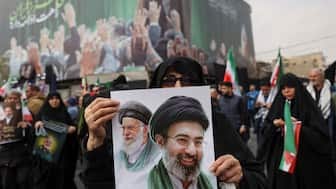
Speculation has also emerged regarding the role of Iran’s new Supreme Leader, Mojtaba Khamenei, in potential peace efforts. However, there has been no official confirmation from Tehran that he has agreed to negotiate with the United States. In fact, Iranian authorities have strongly denied that any direct or indirect talks are currently taking place, dismissing U.S. claims as misleading. �
The Economic Times
The contradiction between Washington’s statements and Tehran’s denials highlights the fragile and unclear nature of the situation. While intermediaries such as regional powers are reportedly attempting to facilitate dialogue, Iran maintains that no formal negotiations have been initiated. �
The Washington Post
The backdrop to these developments is a rapidly intensifying conflict that has already caused significant casualties and disruption across the region. The war has also impacted global energy markets, with concerns over oil supply routes such as the Strait of Hormuz adding to economic uncertainty.
Despite the skepticism, diplomatic channels—formal or informal—may still be evolving behind the scenes. Trump has expressed optimism about reaching a deal within days, but also warned that military action could resume if talks fail.
For now, the five-day energy truce offers a brief window of de-escalation, even as the broader conflict and conflicting narratives continue to cast doubt on the prospects for lasting peace.









