Source NDTV world
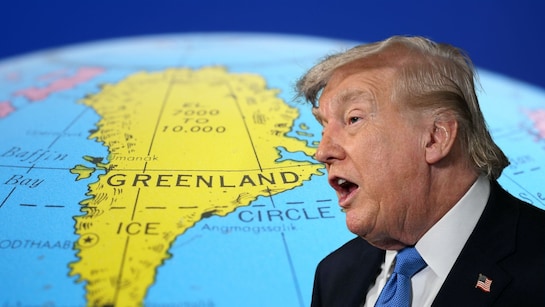
Former U.S. President Donald Trump has once again stirred debate over Greenland’s geopolitical future, warning that the Arctic island’s decision to reaffirm its relationship with Denmark poses a “big problem” for American strategic interests.
Speaking at a campaign-related interaction, Trump expressed concern that Greenland’s continued alignment with Denmark could limit the United States’ influence in the Arctic region, which has gained increasing importance due to climate change, emerging shipping routes, and competition among global powers. “It’s a very big problem,” Trump said, underscoring his long-standing view that Greenland holds immense strategic and security value for the U.S.
Greenland, an autonomous territory within the Kingdom of Denmark, has control over many of its domestic affairs, while Copenhagen manages defense and foreign policy. In recent months, Greenlandic leaders have reiterated their preference to strengthen self-governance within the Danish framework rather than pursue closer ties with Washington or entertain discussions about a change in sovereignty.
Trump’s comments revive memories of 2019, when he had floated the idea of the United States purchasing Greenland—an idea that was swiftly rejected by both Denmark and Greenland, leading to diplomatic friction at the time. Since then, the U.S. has focused on expanding its diplomatic presence and economic cooperation in the region, including reopening a consulate and investing in Arctic infrastructure.
Analysts note that Trump’s latest remarks reflect broader concerns in Washington about growing competition in the Arctic, particularly from Russia and China. While Greenland remains firm about its political path, its strategic location and resources ensure it will continue to draw attention from major global powers.
For now, Danish and Greenlandic officials have not formally responded to Trump’s statement, but past positions suggest they are unlikely to shift course in response to renewed rhetoric from the former U.S. president.