Source TOI
Amid escalating tensions in the Middle East and an ongoing conflict with Iran, U.S. President Donald Trump’s appeal for international support to secure the Strait of Hormuz has largely been met with reluctance from key global allies.
The Strait of Hormuz, a vital maritime route responsible for a significant share of the world’s oil shipments, has been severely disrupted due to the conflict. Iran’s actions in the region, including deploying drones, missiles, and naval mines, have effectively restricted movement through the strategic waterway, triggering concerns over global energy supplies.
In response, Trump reached out to several allied nations, urging them to contribute naval forces to help reopen and secure the passage. Countries such as the United Kingdom, Japan, Australia, and South Korea were among those approached. However, most nations have either declined or shown hesitation in committing military resources to the mission.
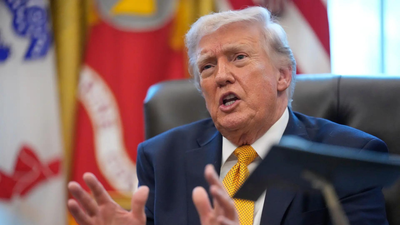
Despite seeking assistance, Trump struck a defiant tone, asserting that the United States does not depend on its allies. He criticized NATO members and other partners for what he described as a lack of reciprocity, suggesting that the U.S. has long borne the burden of global security without adequate support in return.
The lukewarm response from allies has exposed growing strains in diplomatic relations during a critical geopolitical crisis. Even traditionally close partners have refrained from immediate involvement, with some emphasizing the need for a diplomatic resolution rather than military escalation.
Trump’s remarks have further underscored tensions within international alliances, as he warned that such reluctance could have long-term implications for cooperation. At the same time, he maintained that U.S. military strength alone is sufficient to handle the situation if necessary.
As the conflict continues, uncertainty remains over how the Strait of Hormuz crisis will be resolved. With global oil markets at stake and alliances under pressure, the situation is being closely watched by governments and industries worldwide.