Source Mint
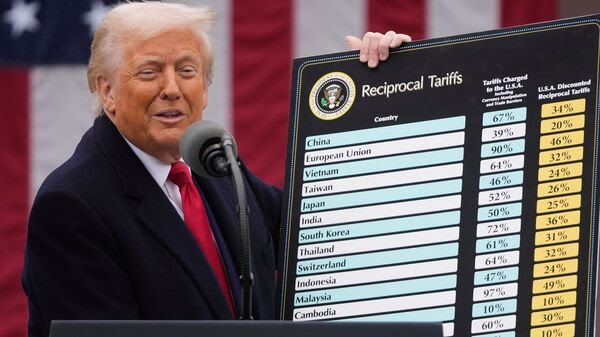
Washington, D.C.: A major legal and political battle erupted after the Supreme Court of the United States delivered a key ruling affecting tariffs introduced during the presidency of Donald Trump.
Shortly after the decision, Trump sharply criticized the justices, accusing them of “protecting other countries” at the expense of American workers and industries. The former president argued that the tariffs were designed to strengthen domestic manufacturing and counter what he described as unfair trade practices.
Court ruling and its impact
The ruling centers on the legality and scope of tariffs imposed on foreign imports under national-security provisions. The court limited certain executive powers in applying trade duties, stating that tariff authority must follow statutory boundaries set by Congress.
Legal experts say the judgment could influence future administrations’ ability to unilaterally impose sweeping import taxes without legislative backing.
Trump’s response
In a statement and subsequent remarks, Trump said the decision undermines economic protection for the United States and weakens leverage in global trade negotiations. He insisted tariffs helped revive American manufacturing and reduce dependence on overseas supply chains.
“This decision benefits foreign competitors more than American workers,” he said, adding that he would continue advocating strong trade barriers if returned to office.
Political and economic reactions
Supporters of the ruling argue it reinforces constitutional checks and balances, preventing excessive executive authority. Critics, however, believe it could restrict rapid responses to trade disputes, especially with strategic rivals.
Economists warn the decision may create short-term uncertainty in global markets, particularly for industries previously shielded by import duties such as steel, electronics, and automotive components.
The ruling is expected to play a significant role in upcoming political debates, as trade policy once again becomes a central issue in the US economic agenda.